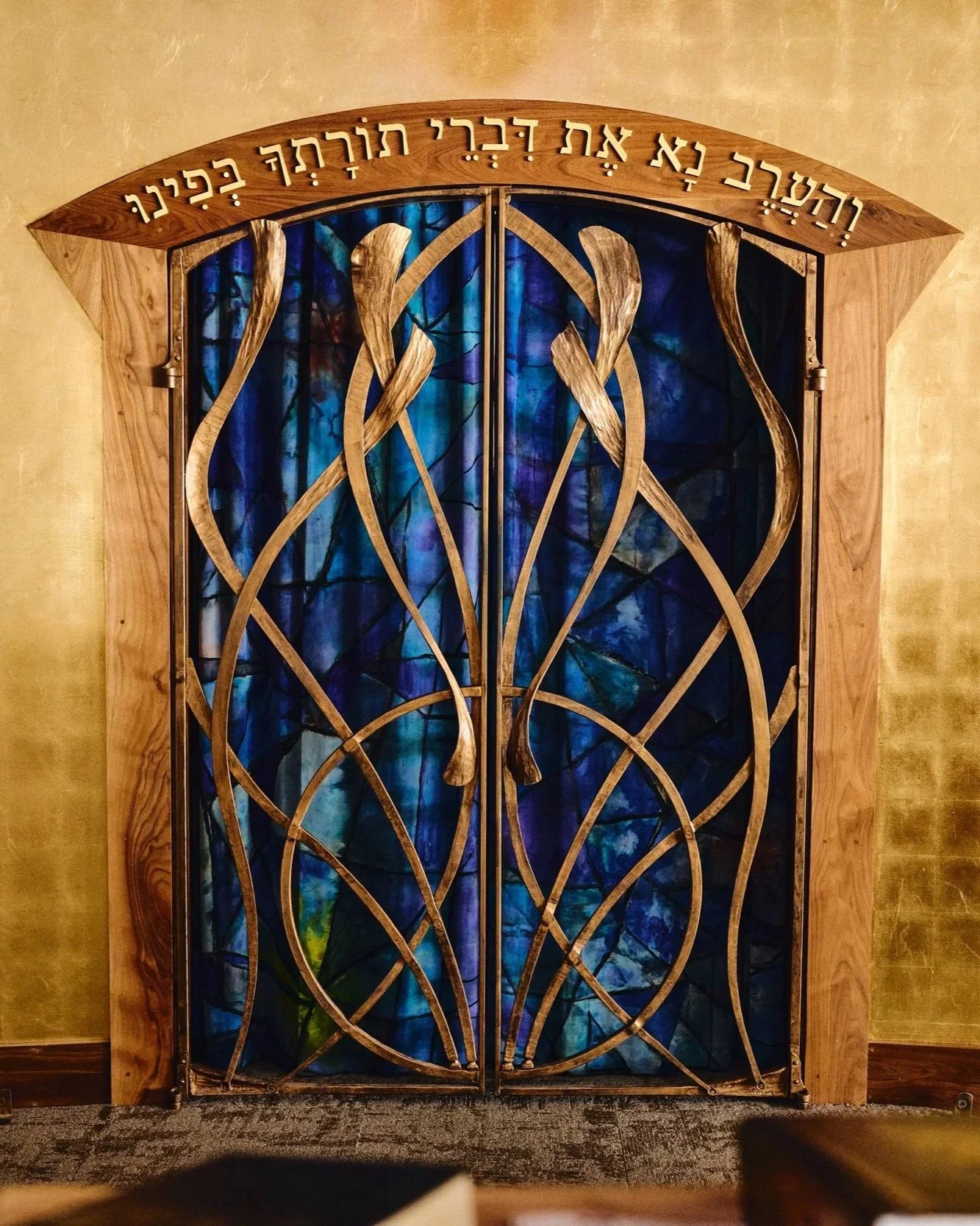
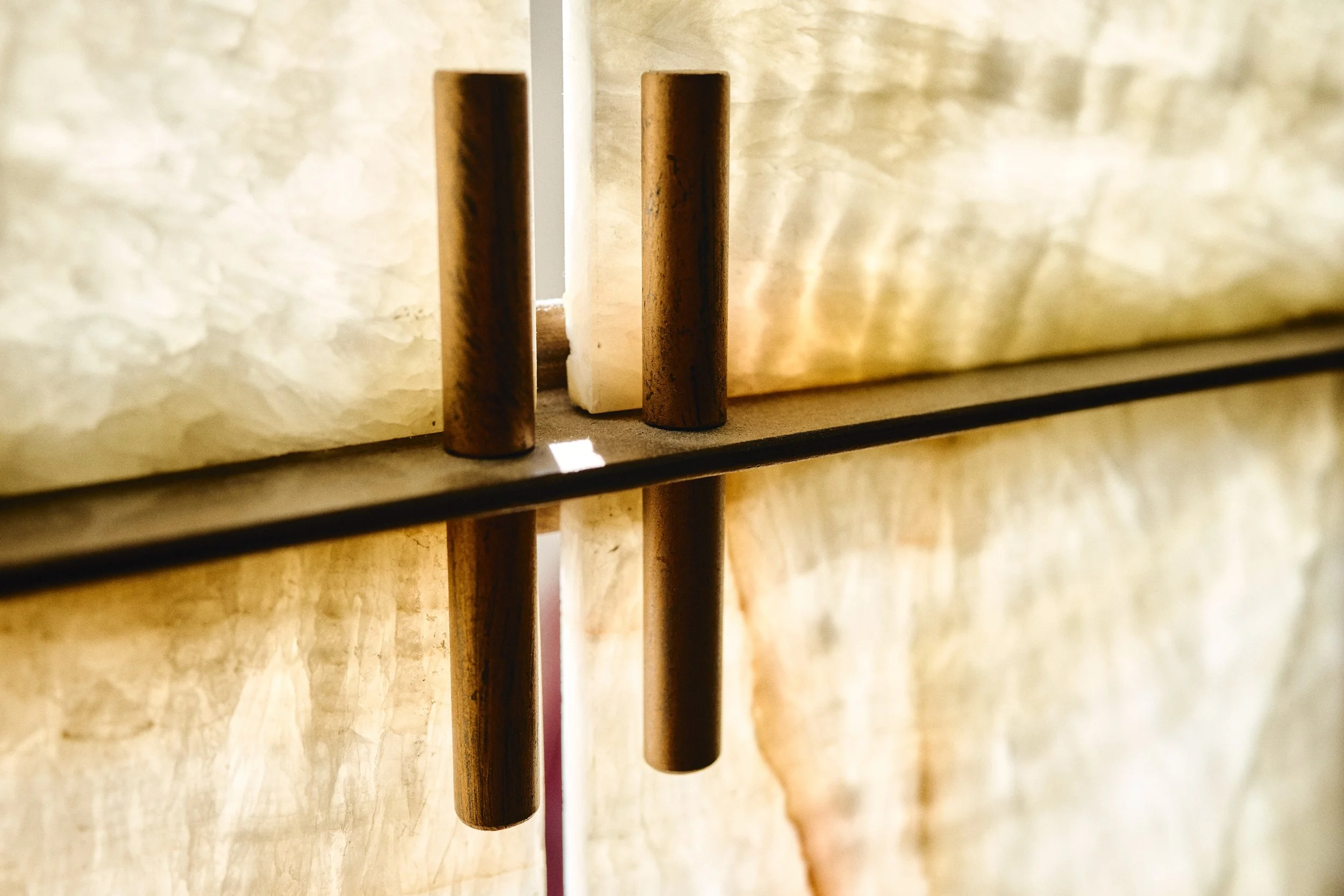
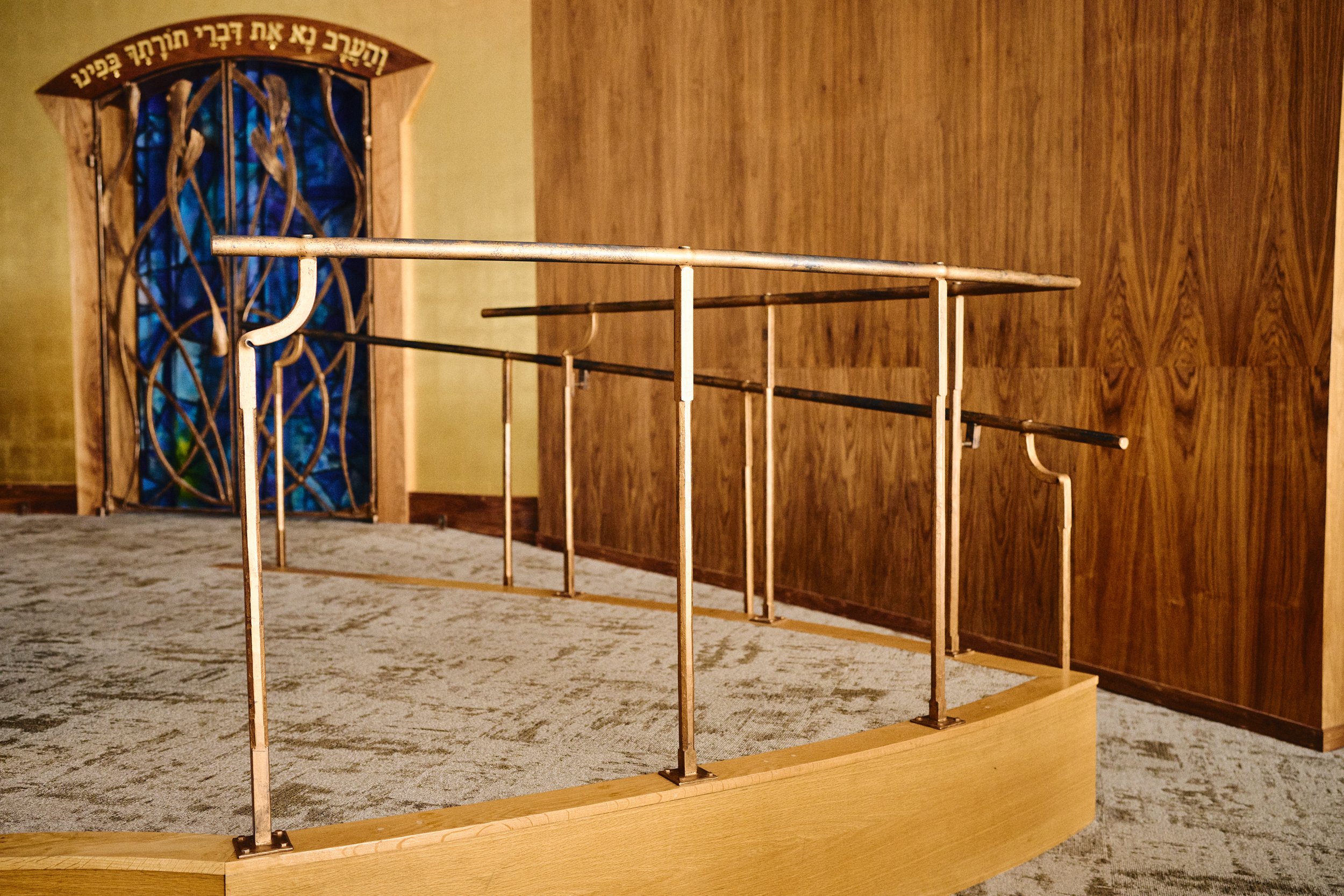
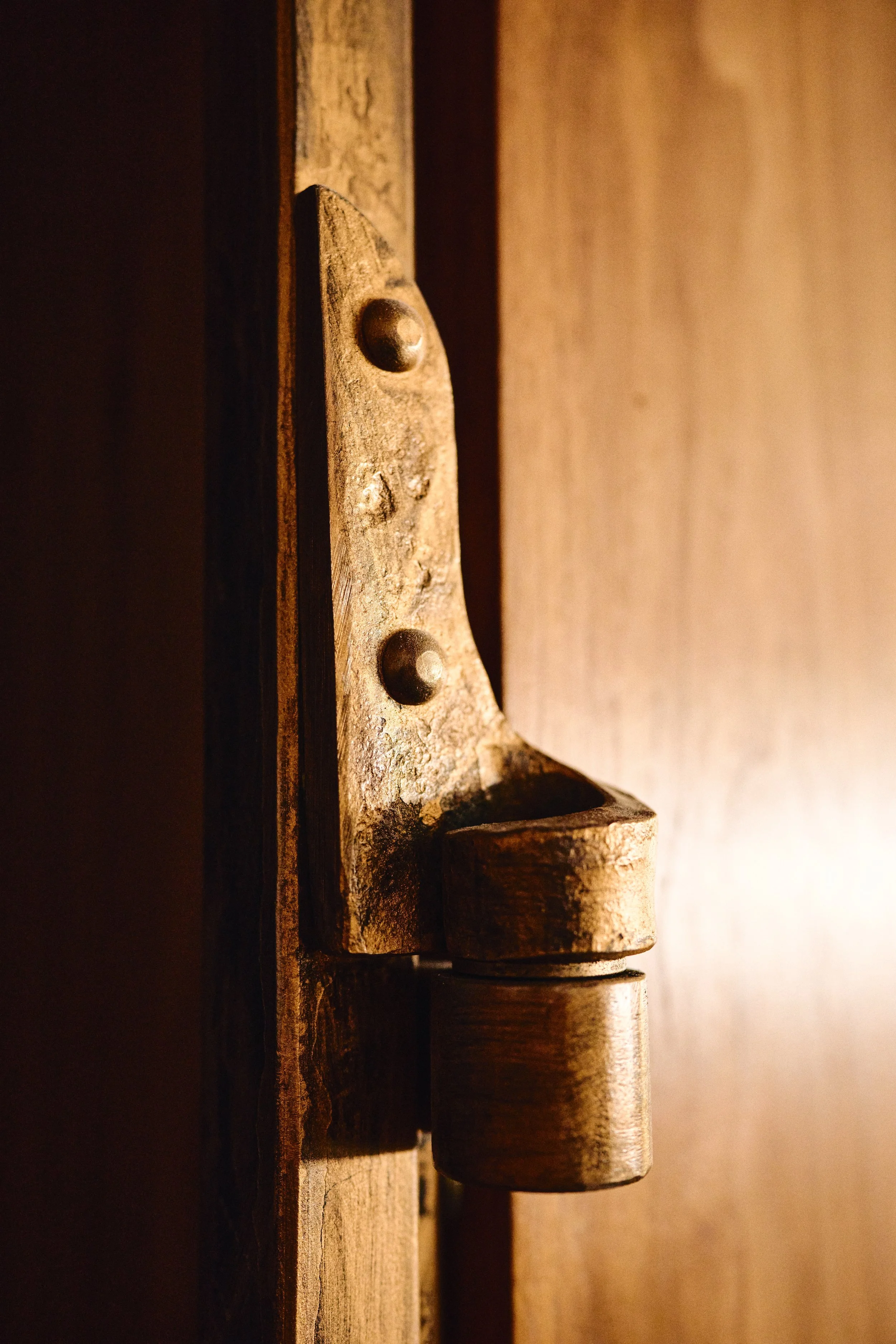
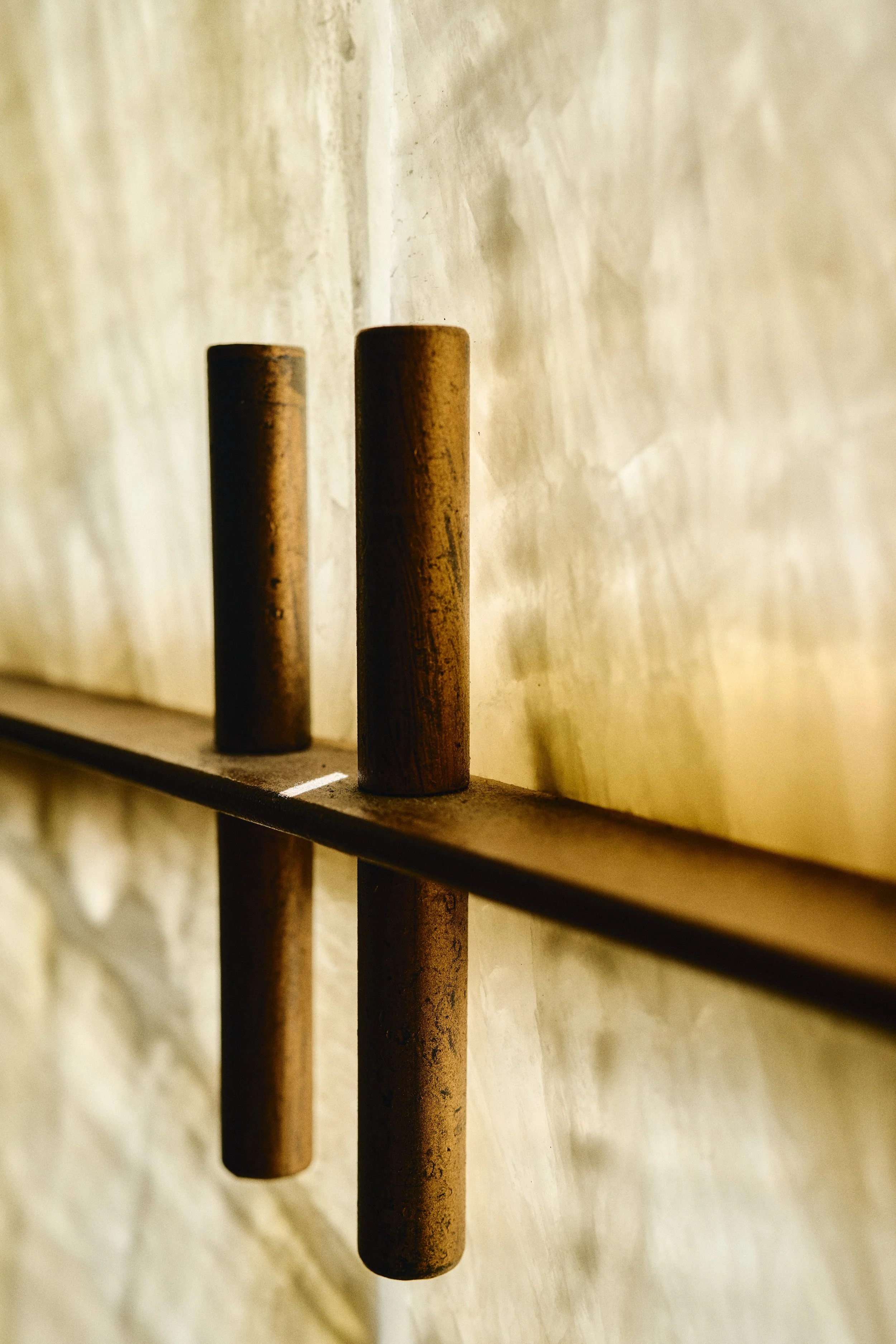
There are certain projects that challenge the way we think about design, projects that carry deeper meaning and ask us to translate symbolism into something tangible. Our work for Dor Tikvah Synagogue was one of them. With intricate ironwork rich in meaning down to the smallest detail, this project pushed us to think beyond the expected. From Ark gates and railings to an entire wall of custom window hardware, every element within this space was designed with intention—each piece reflecting the culture, tradition, and spirit that define this sacred environment.
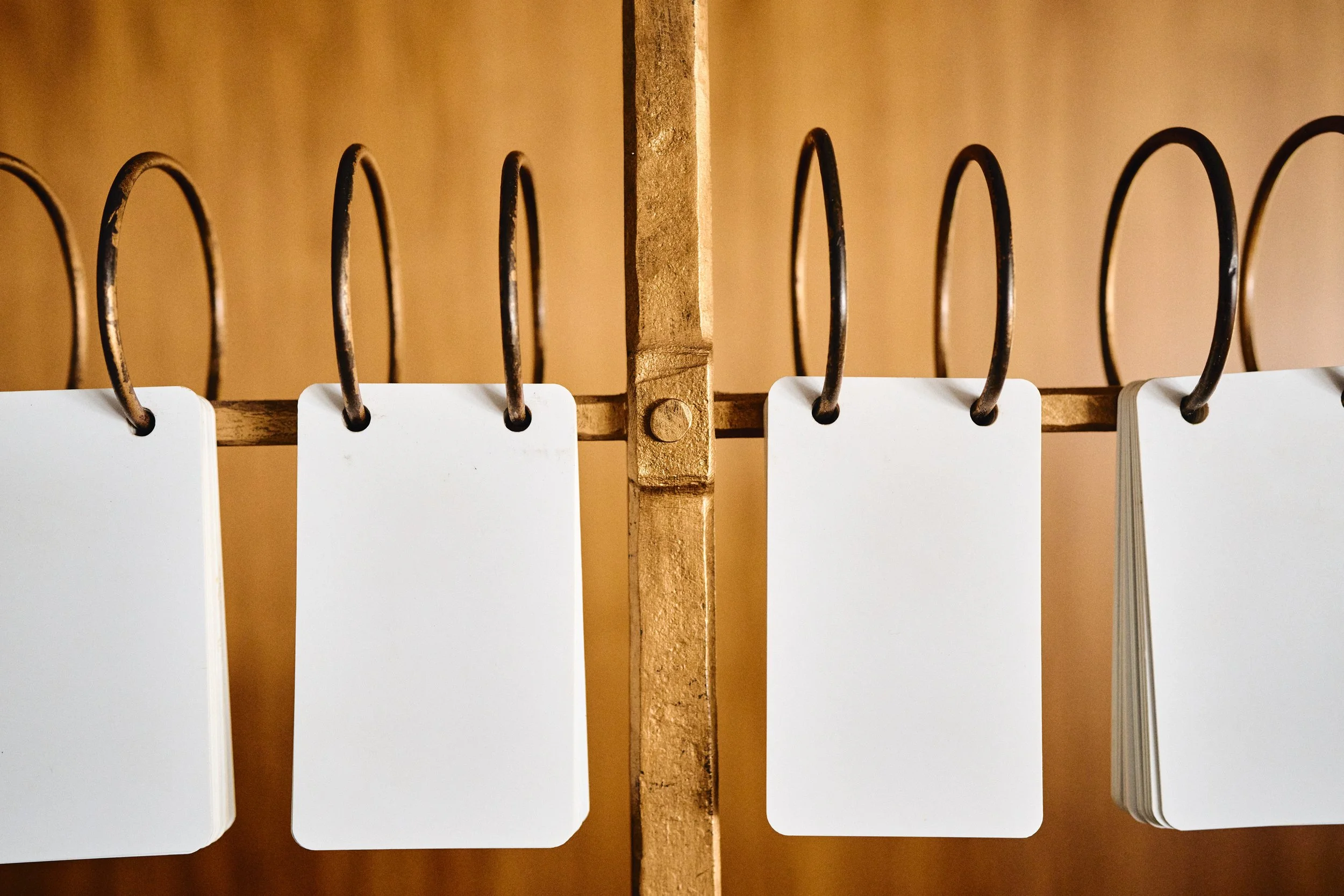
We had the pleasure of chatting with the architect on this project, Alicia Reed from Reggie Gibson Architects, and dove into the very specific elements of thought and detail, the challenges, and the creativity it took to create such a beautiful outcome in this space.
The design process began with understanding the role of the mechitza, the screen that separates men and women in an Orthodox synagogue. A key challenge was interpreting how women in the congregation perceived this division, especially from a design standpoint. Because the synagogue identifies as Modern Orthodox, there was slightly more openness and flexibility in how this element could be approached.
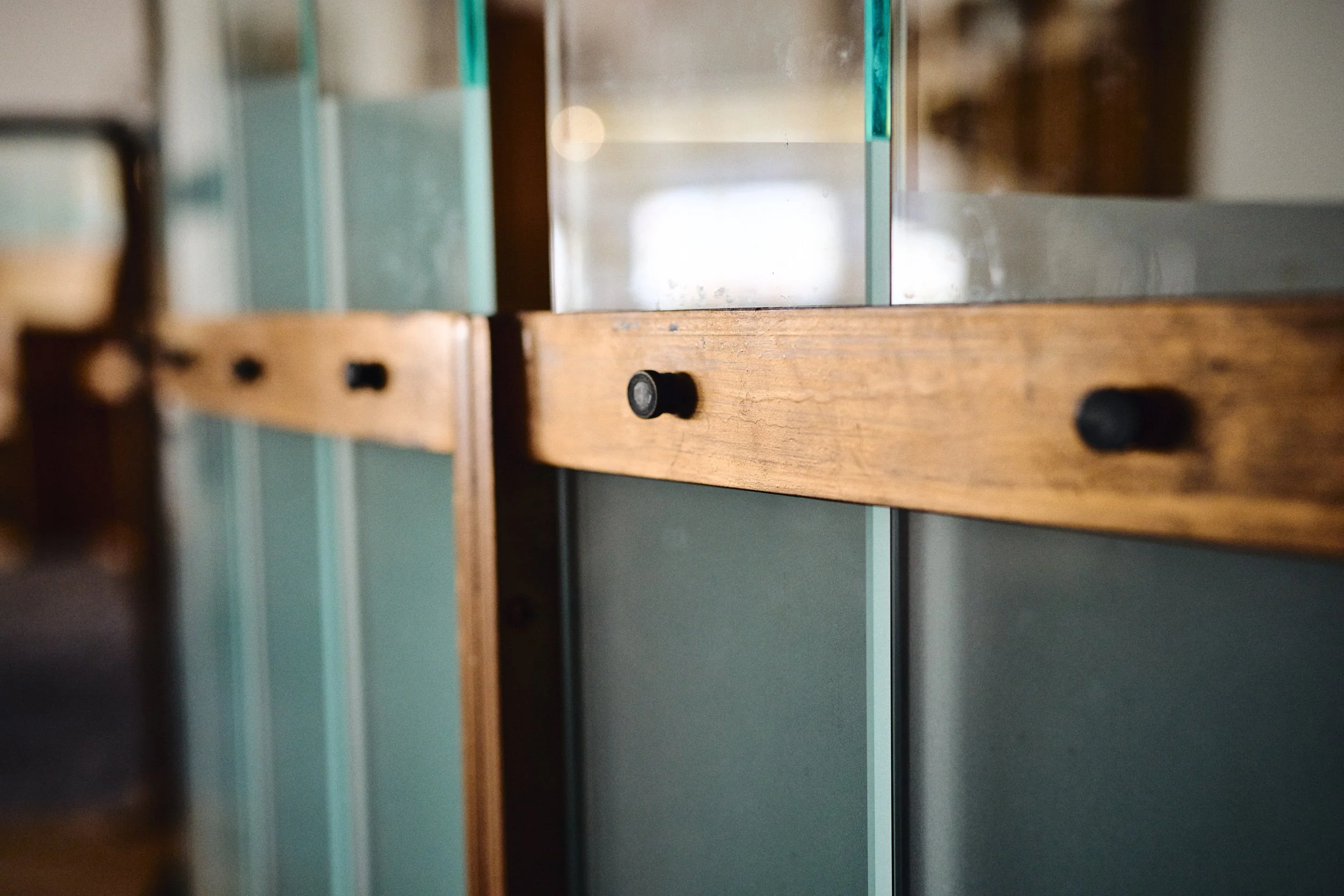
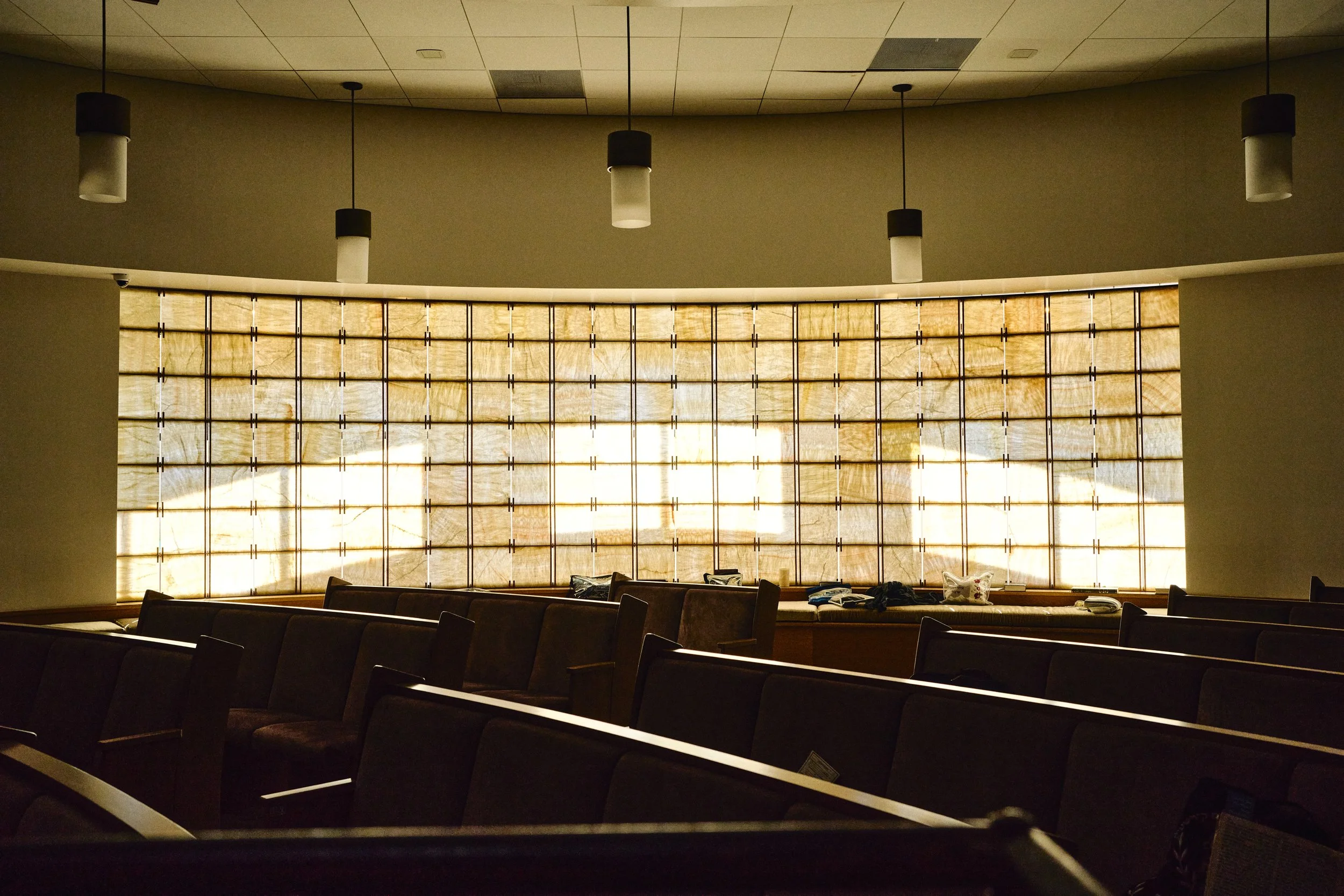
Glass became a central material in resolving this challenge. The rabbi had specific requirements regarding opacity, ensuring that the separation maintained tradition while still allowing a degree of visibility. The design ultimately balanced privacy with connection, using glass to soften what could otherwise feel like a rigid boundary.
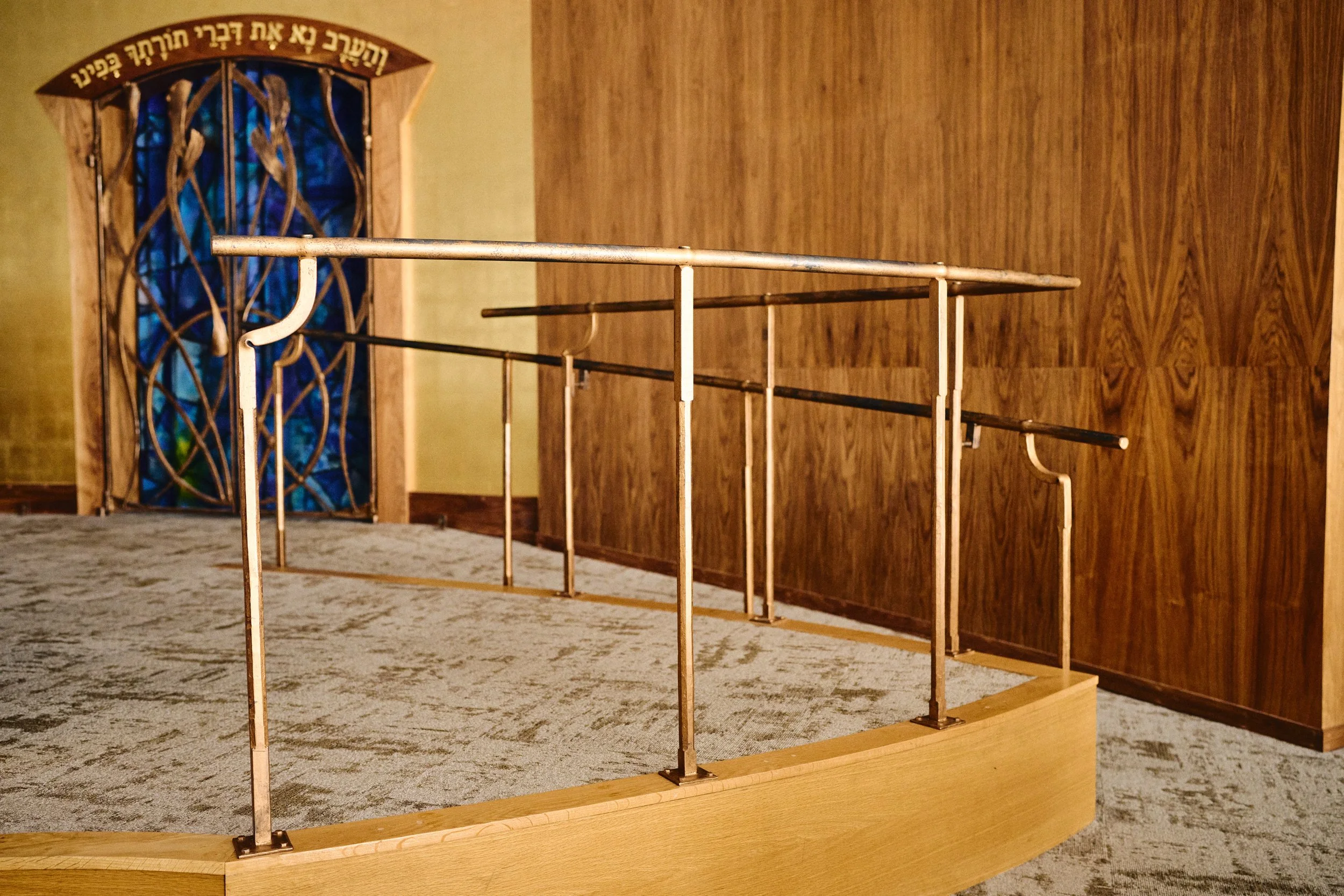
Working closely with Robert Thomas Iron Design, the team developed a system of metal and glass that gently curves around the bimah, the raised platform where the Torah is read. The mechitza is reimagined as a continuous architectural element that both defines and softens the sanctuary. Alicia made a point to speak directly with women in the congregation to better understand their experience. Interestingly, many expressed that this separation was not viewed as discriminatory, but rather as a welcome pause from childcare responsibilities, since children sit with the men. This perspective challenged Alicia’s initial assumptions, but ultimately informed a more thoughtful and empathetic design approach.
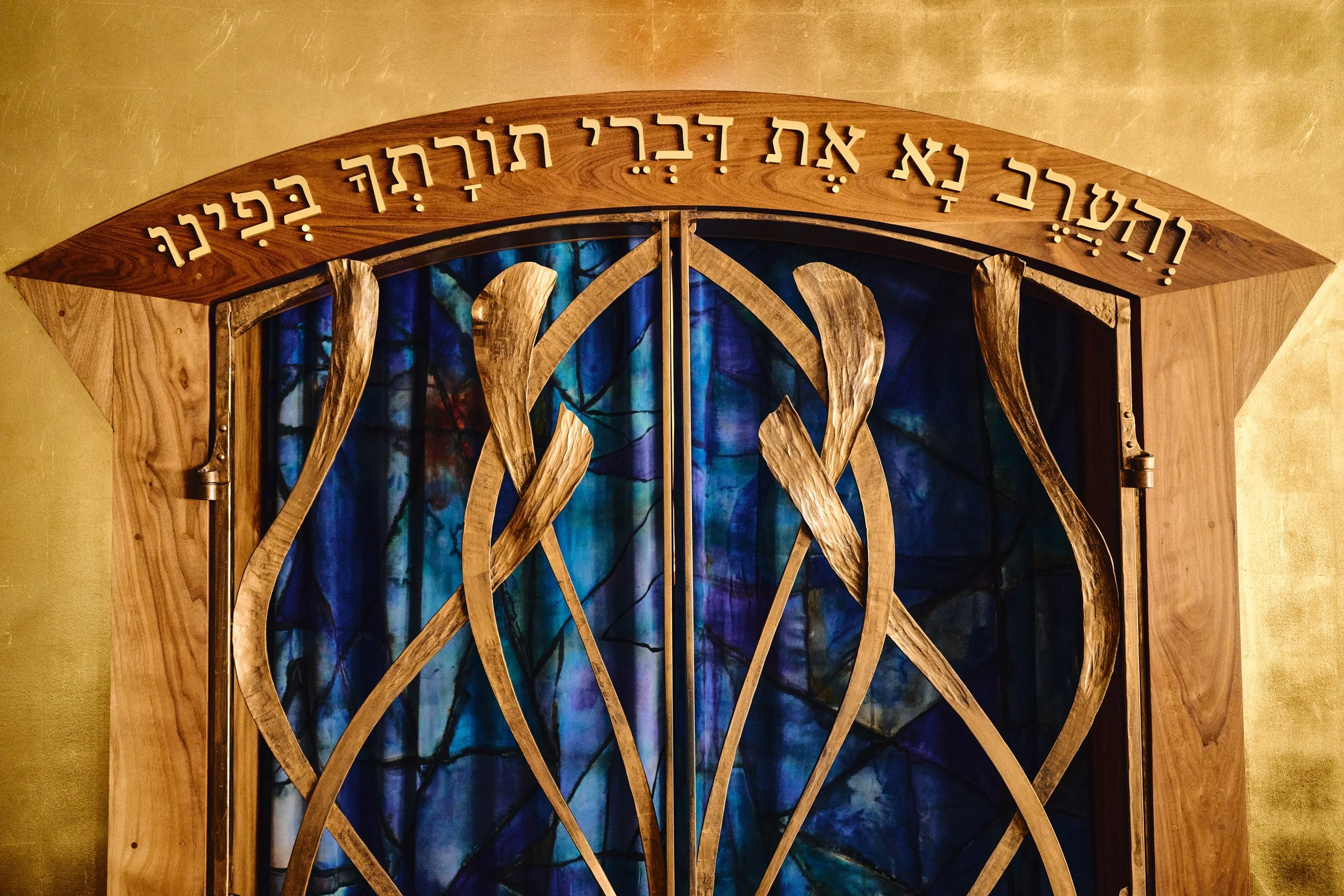
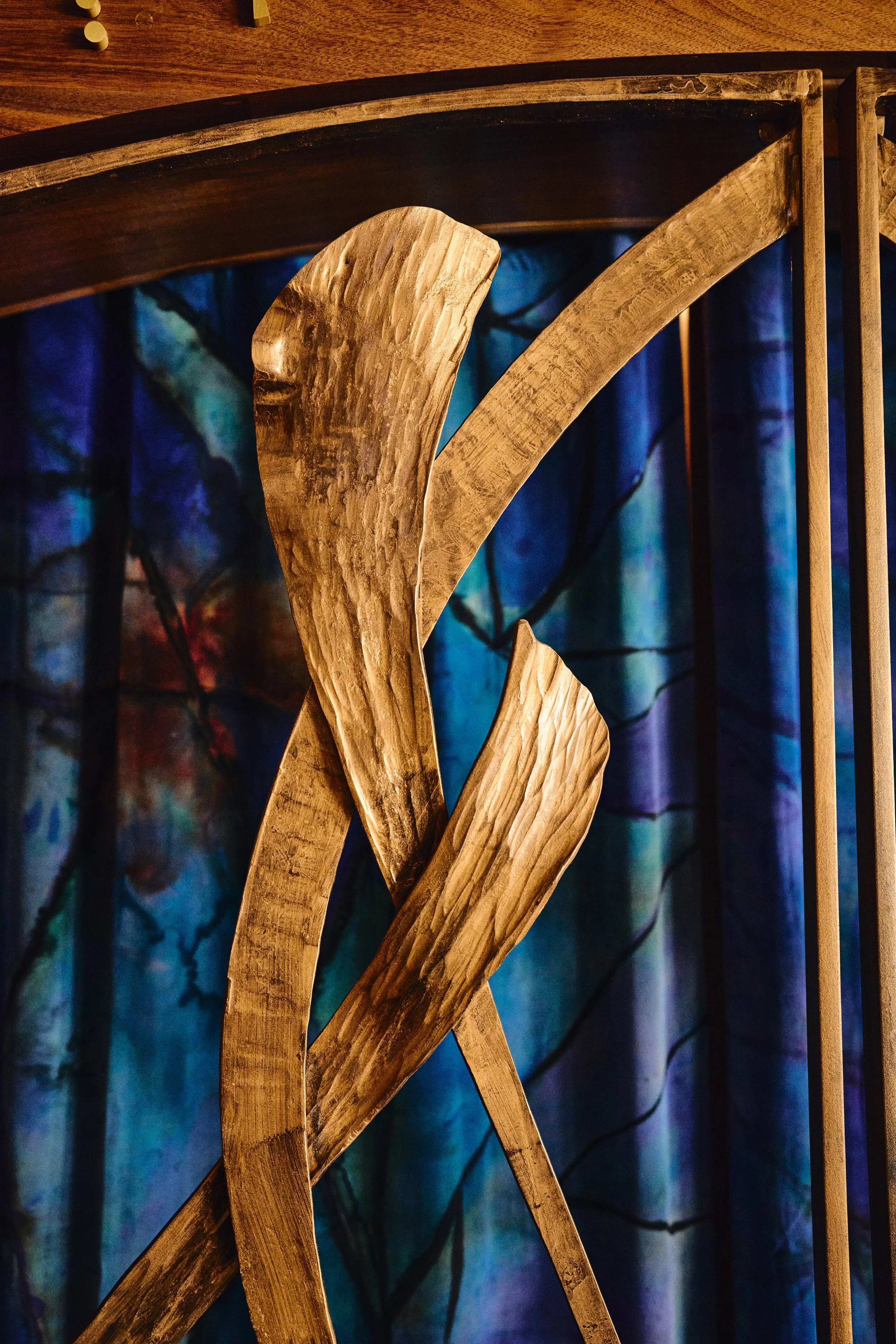
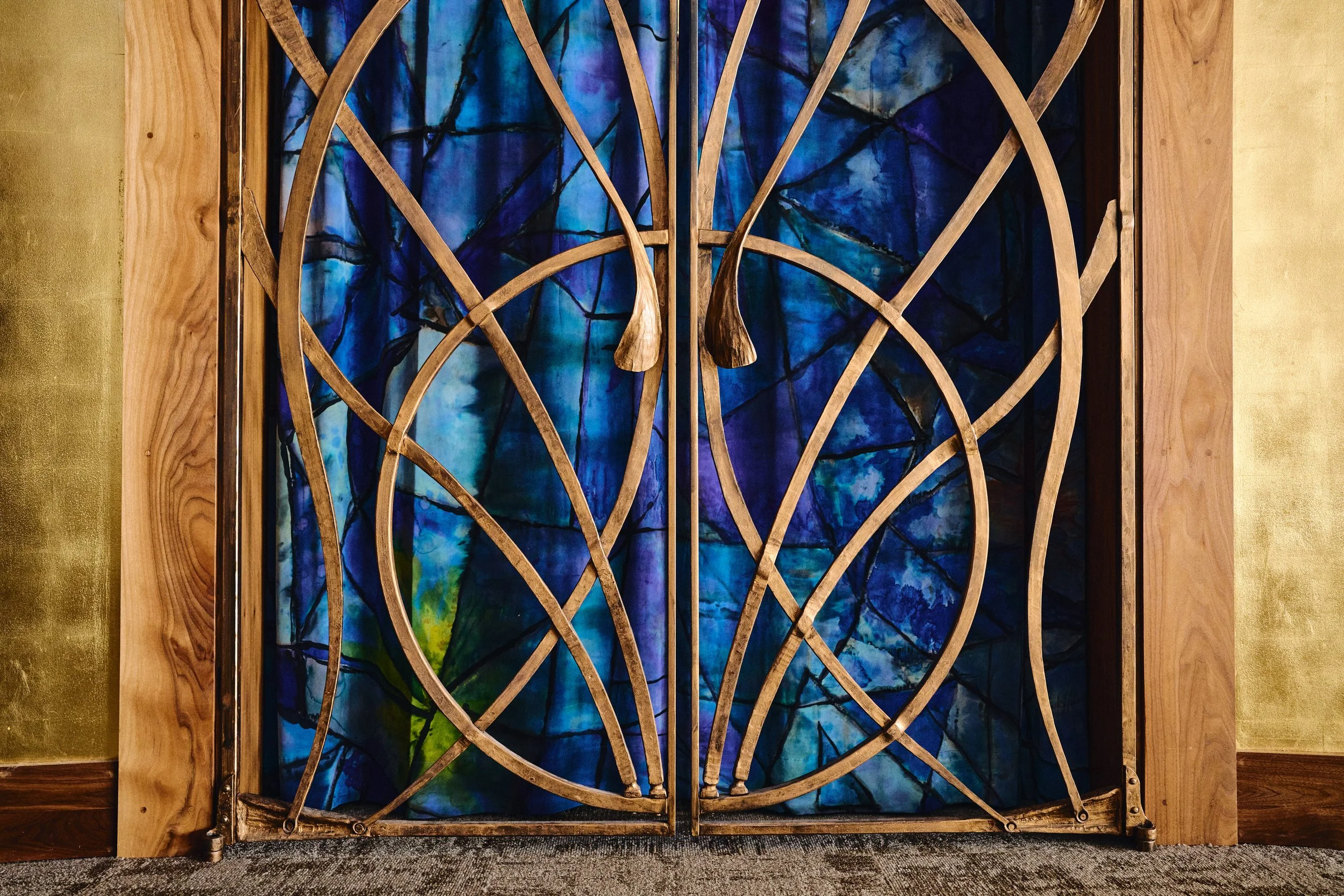
The Synagogue Ark and its surrounding gate went through several iterations. The design contains multiple layers, including doors, gates, and a curtain, each with symbolic and functional significance. Alicia looked to the work of Marc Chagall for inspiration, particularly in developing the curtain within the ark. His use of color and symbolism helped guide a softer, more expressive approach. Throughout this process, she leaned on Robert to help balance masculine and feminine qualities within the design.
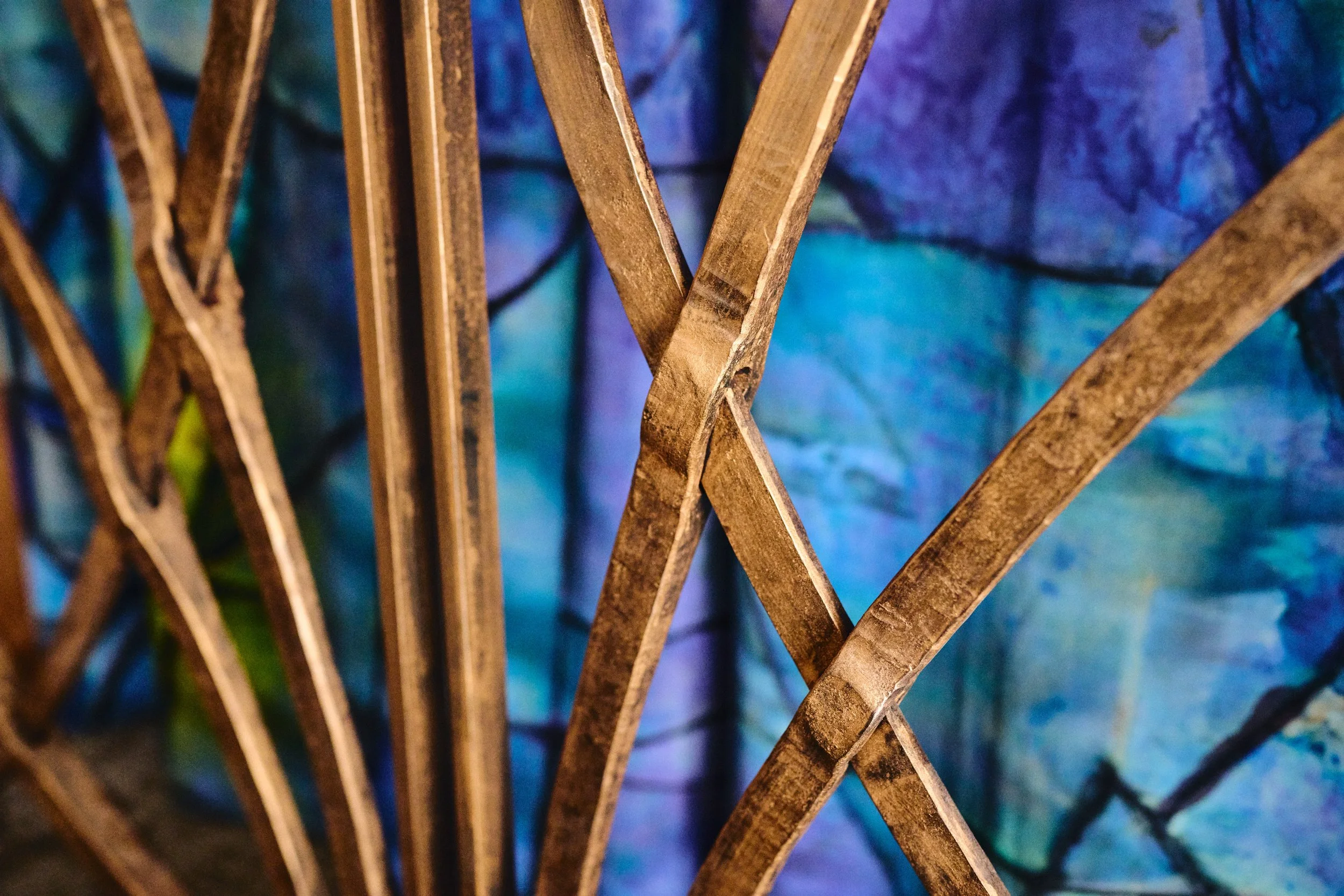
Robert shares, “When the congregation entrusted us with the ark gates for Dor Tikvah Synagogue, it was clear this would be a deeply meaningful focal point deserving exceptional care. Working closely with architect Alicia Reed, we explored the expressive potential of forged metal, using texture, layering, and dimensionality to evoke a sense of rebirth through forms that feel organic, fluid, and alive. Through multiple iterations and a hands-on forging process, the final design emerged as something that feels less fabricated and more grown.”
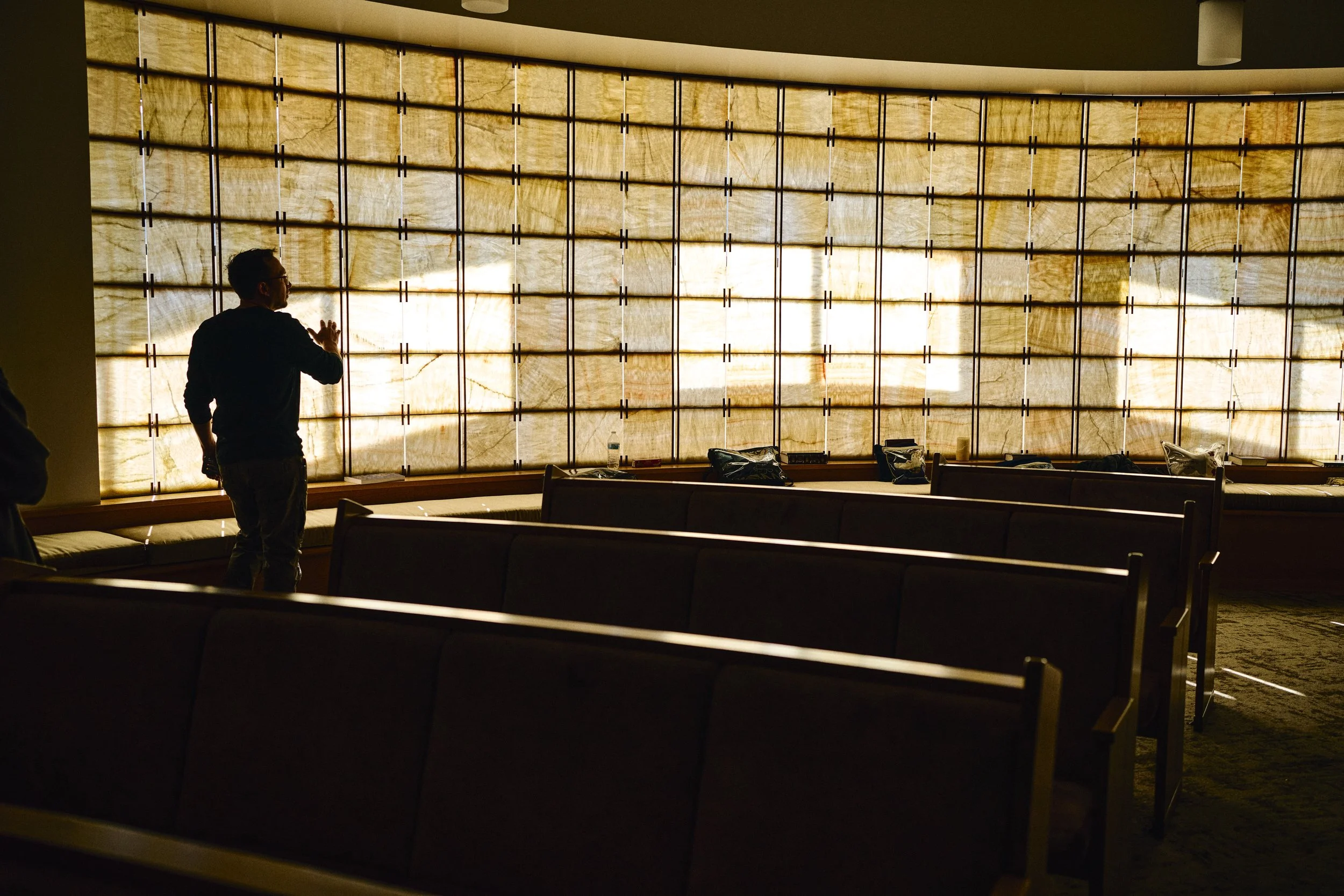
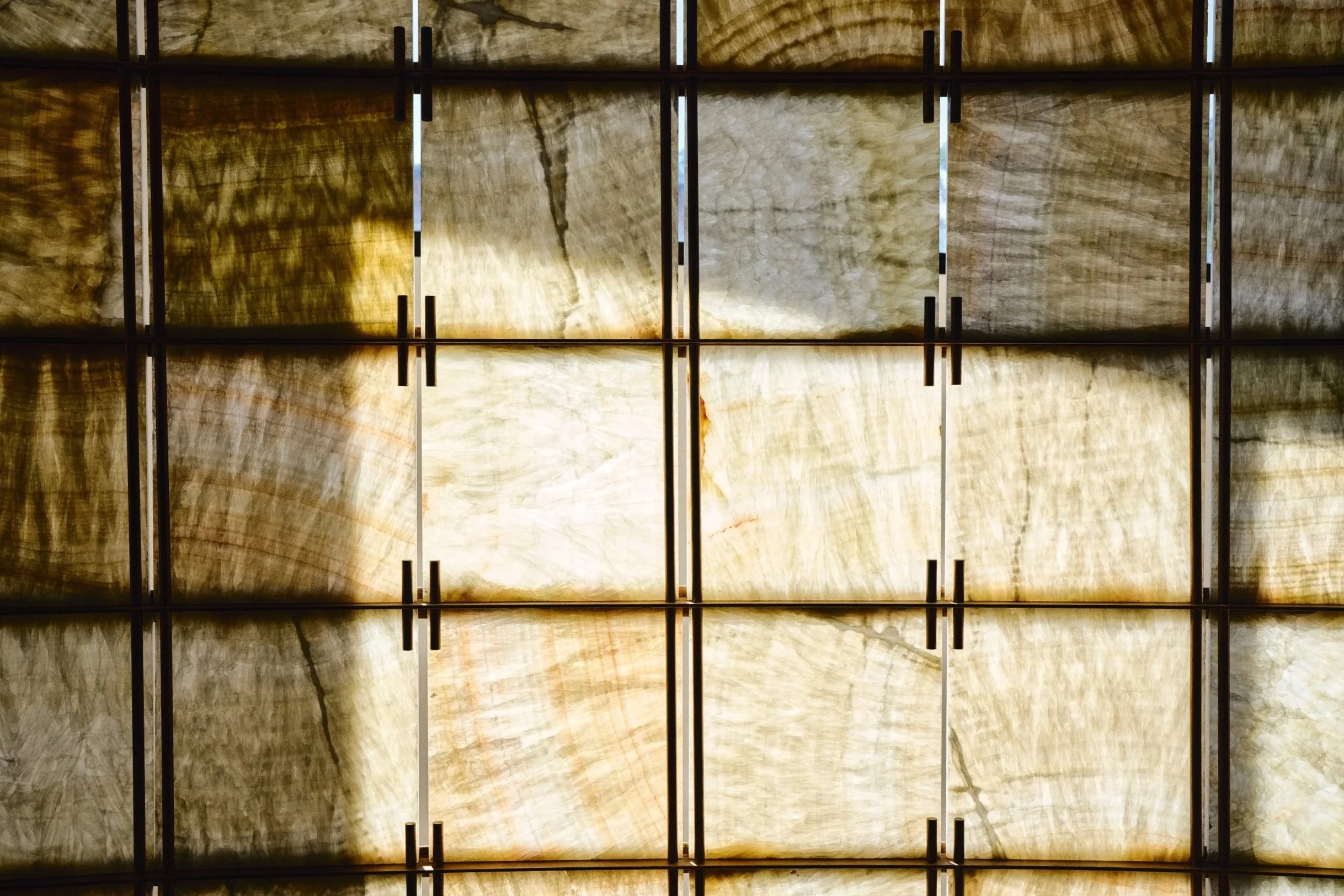
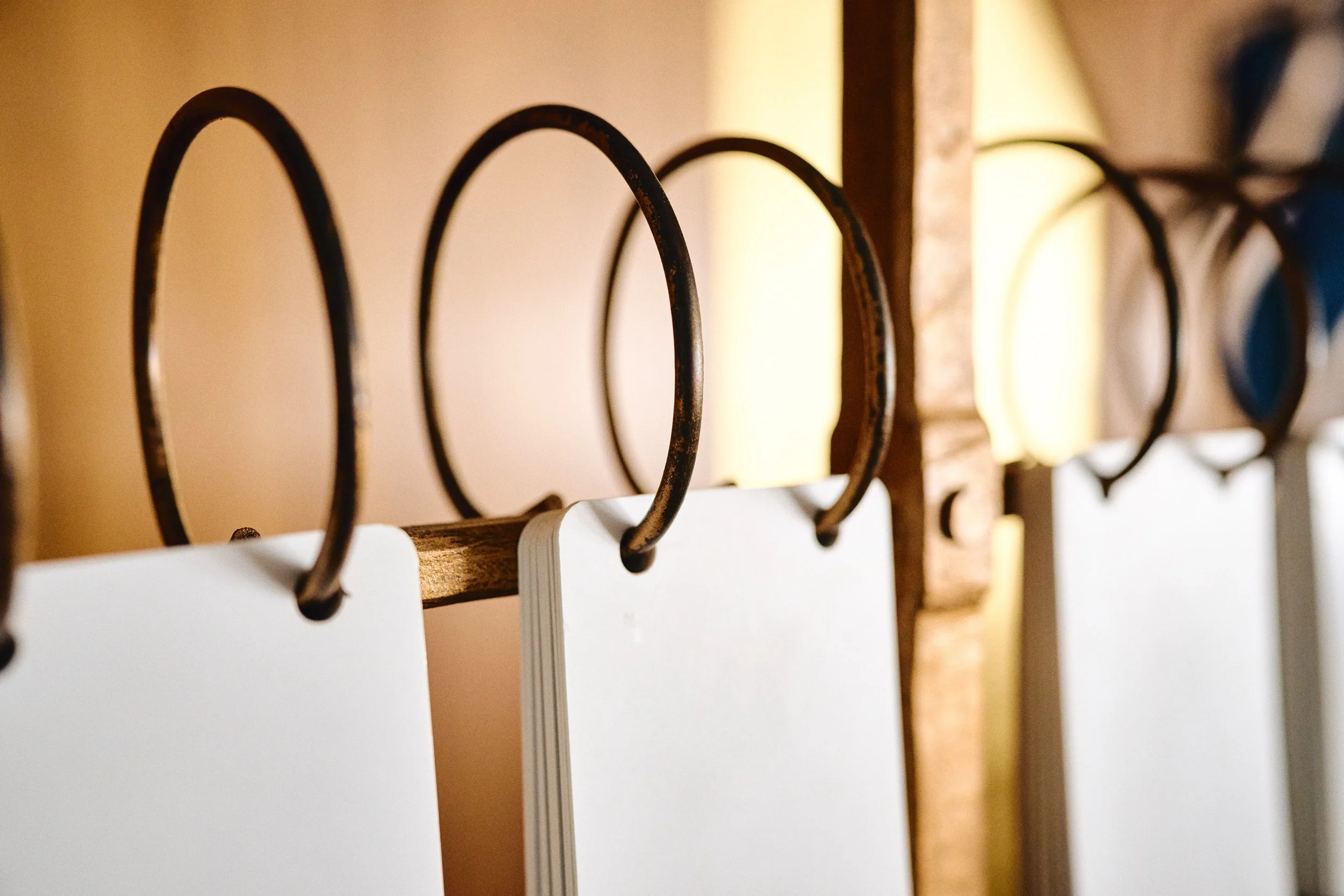
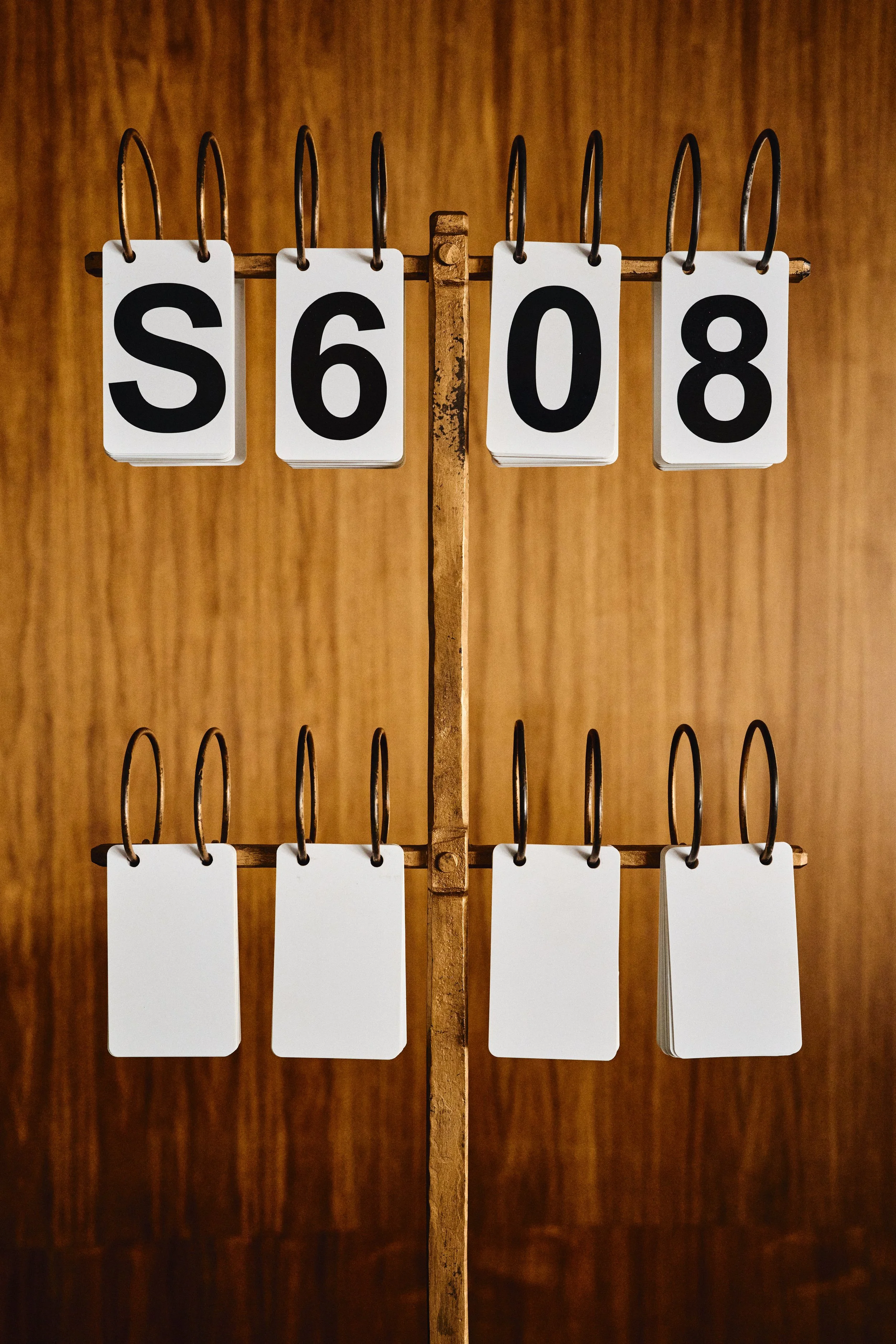
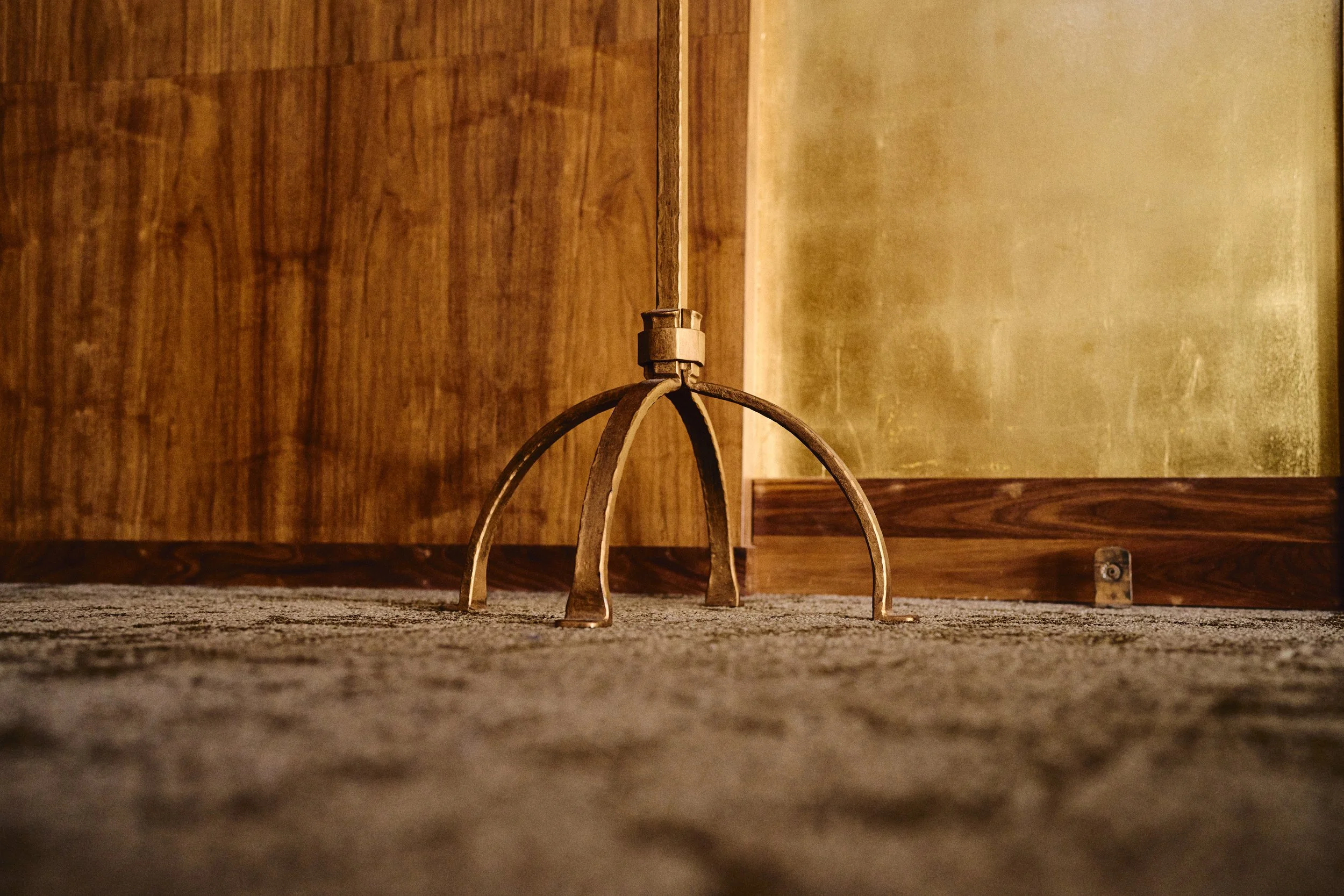
A striking feature of the sanctuary is the window wall made of onyx. Sourced through a local tile store owned by a member of the synagogue, the material was chosen for its warm translucency. The goal was to bring in light while maintaining a sense of enclosure and security. The detailing of the frame was intentionally minimal, avoiding anything heavy or overly structural. The concept, Alicia notes, was partly inspired by the Rare Book Library at Yale University, known for its monumental translucent stone panels. Security was an underlying concern throughout the design of the worship space. There was a desire to avoid any feeling of vulnerability while still allowing natural light to filter in. The use of materials like onyx helped achieve this balance, creating an atmosphere that feels both protected and luminous.

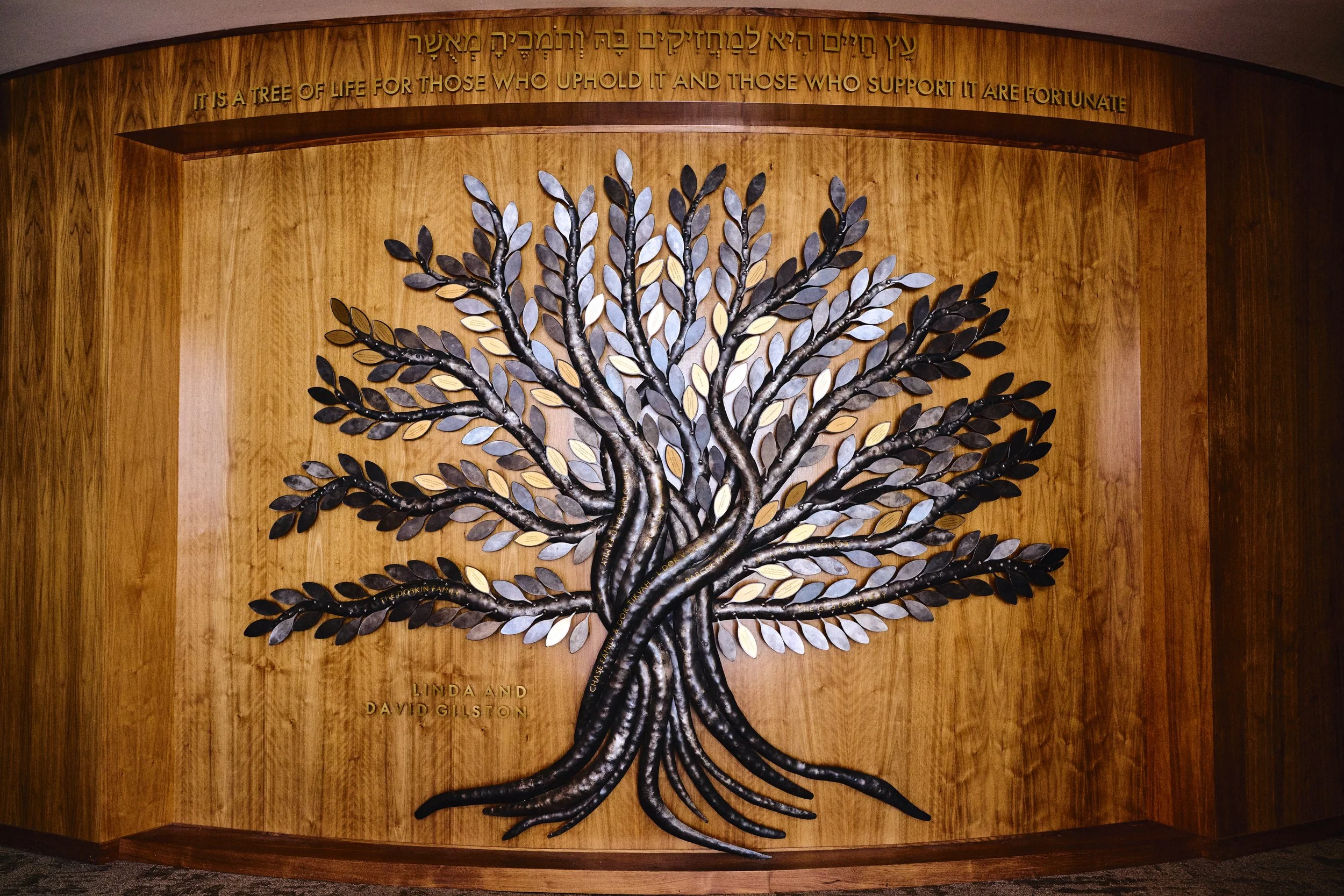
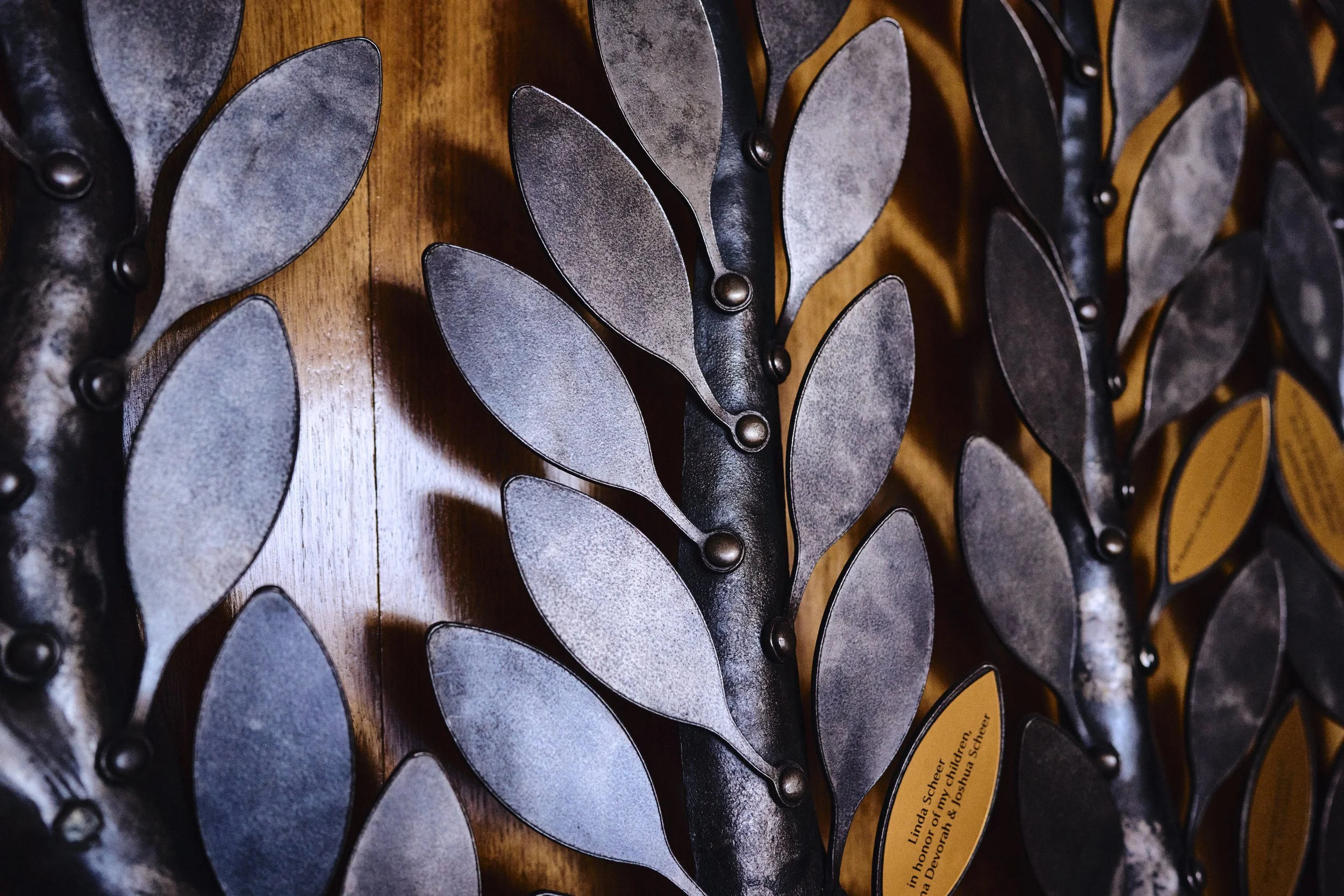
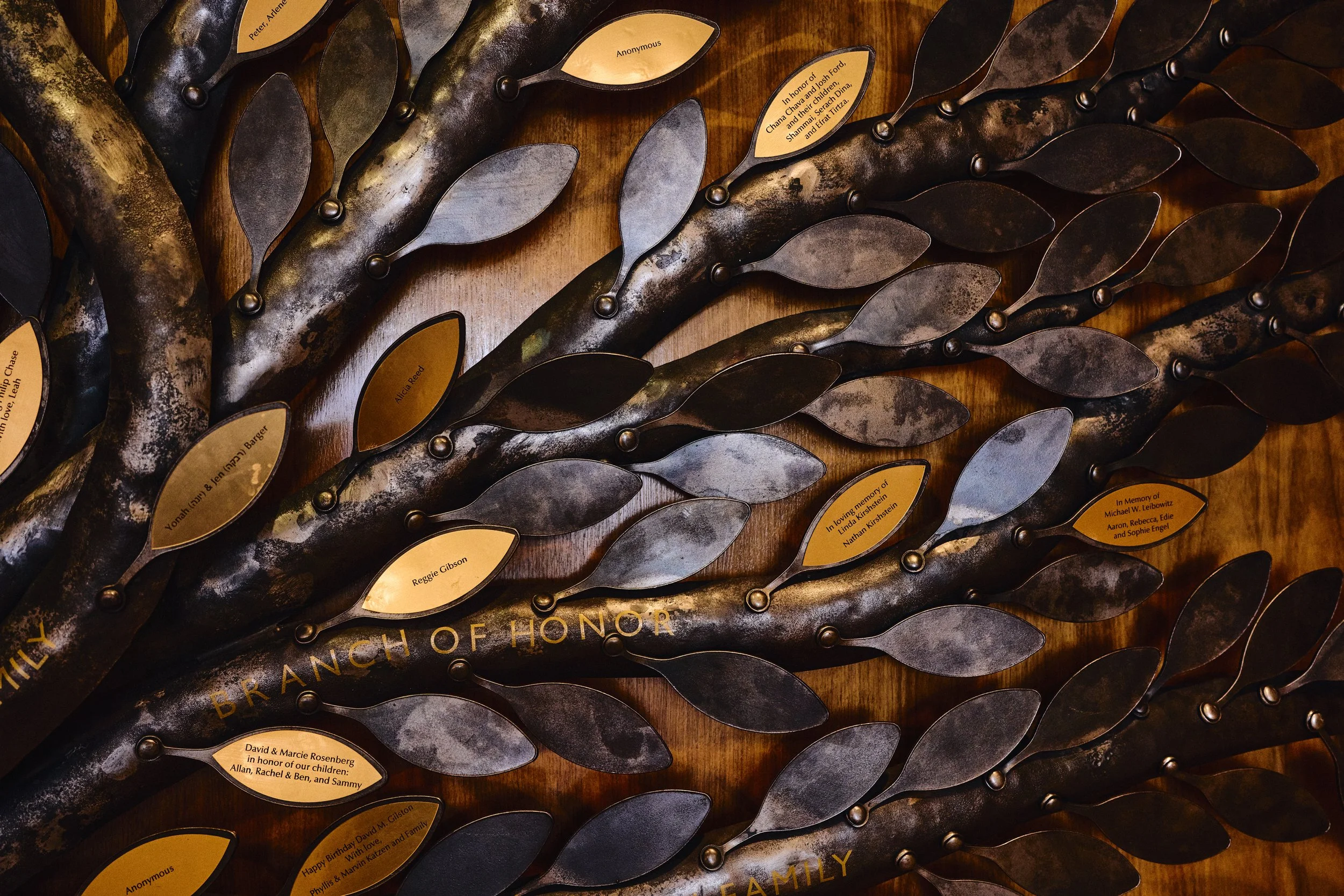
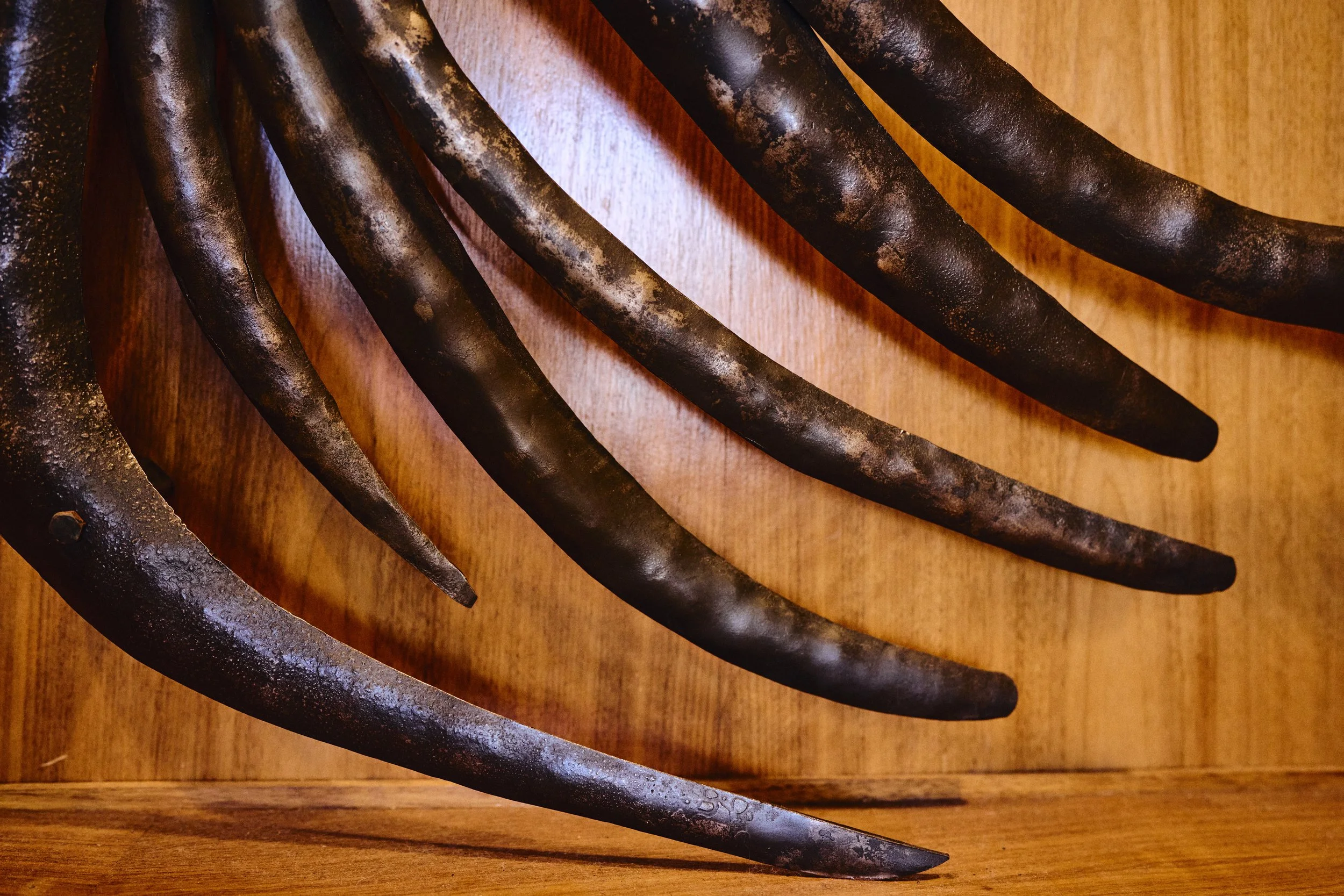
The Tree of Life installation was developed after the synagogue had already opened. Working again with Robert, the goal was to create something more organic and visually engaging than earlier concepts, which felt too flat. Alicia drew inspiration from a Holocaust memorial tree in Budapest, which led to the idea of a weeping willow design. This influence introduced a sense of movement, softness, and quiet reflection into the piece.
Curvature became a unifying theme throughout this project. The building itself was originally a Jewish Community Center, a typology that historically emerged in response to exclusion and discrimination. As societal conditions evolved, many of these spaces became underutilized. In this case, the building had been repurposed into a school, but the owner, Jonathan Zucker, saw an opportunity to give it new life. Transforming it into a synagogue became a way of reclaiming the space for something meaningful and community driven.
Both the interior architecture and elements built by RTID emphasize softened edges and a gentle procession into the sanctuary. Curved walls and borrowed light help break down the rigidity of the original structure, making the space feel more inviting and contemplative. This thoughtful manipulation of form and light is one of the reasons Alicia considers it a favorite project.
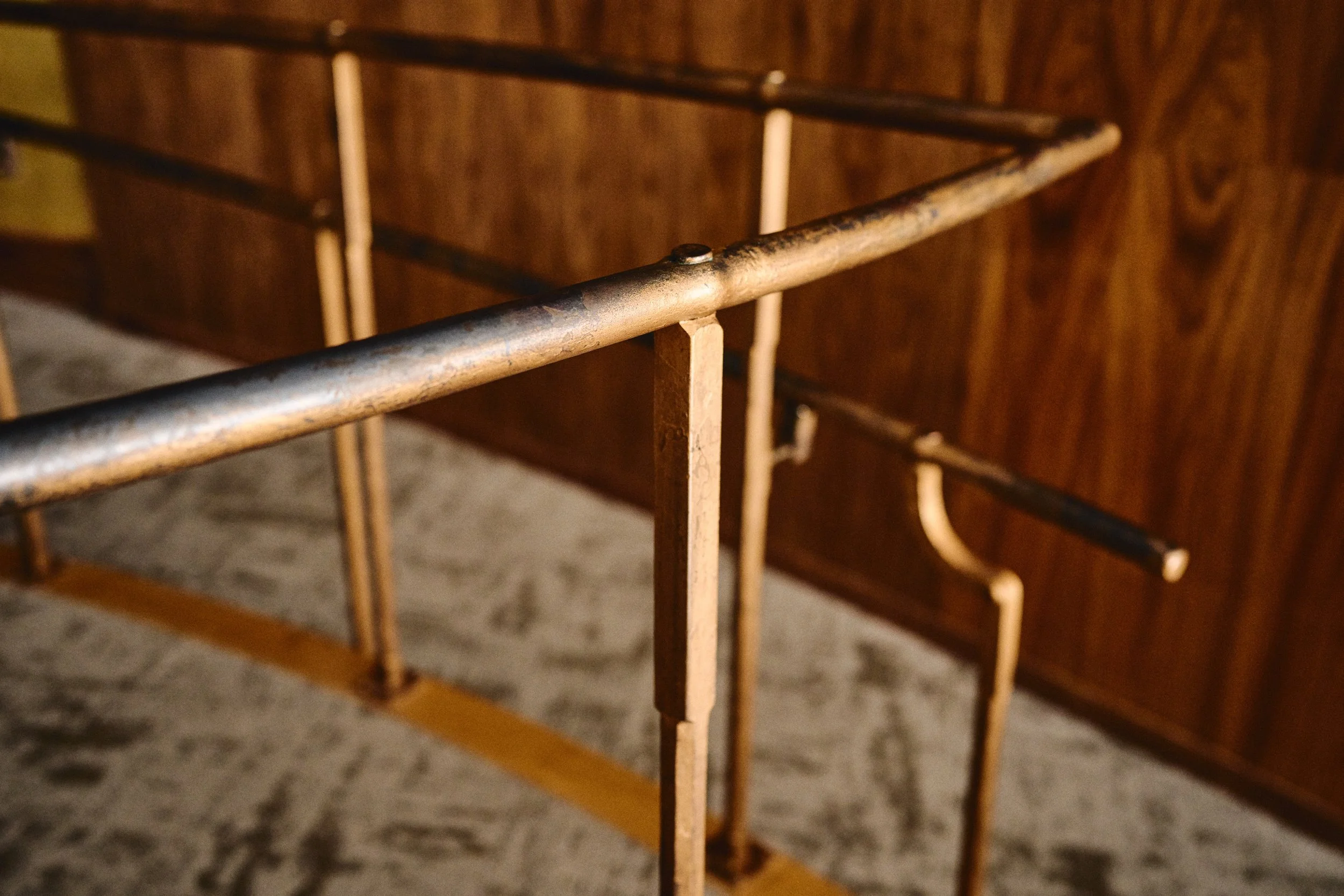
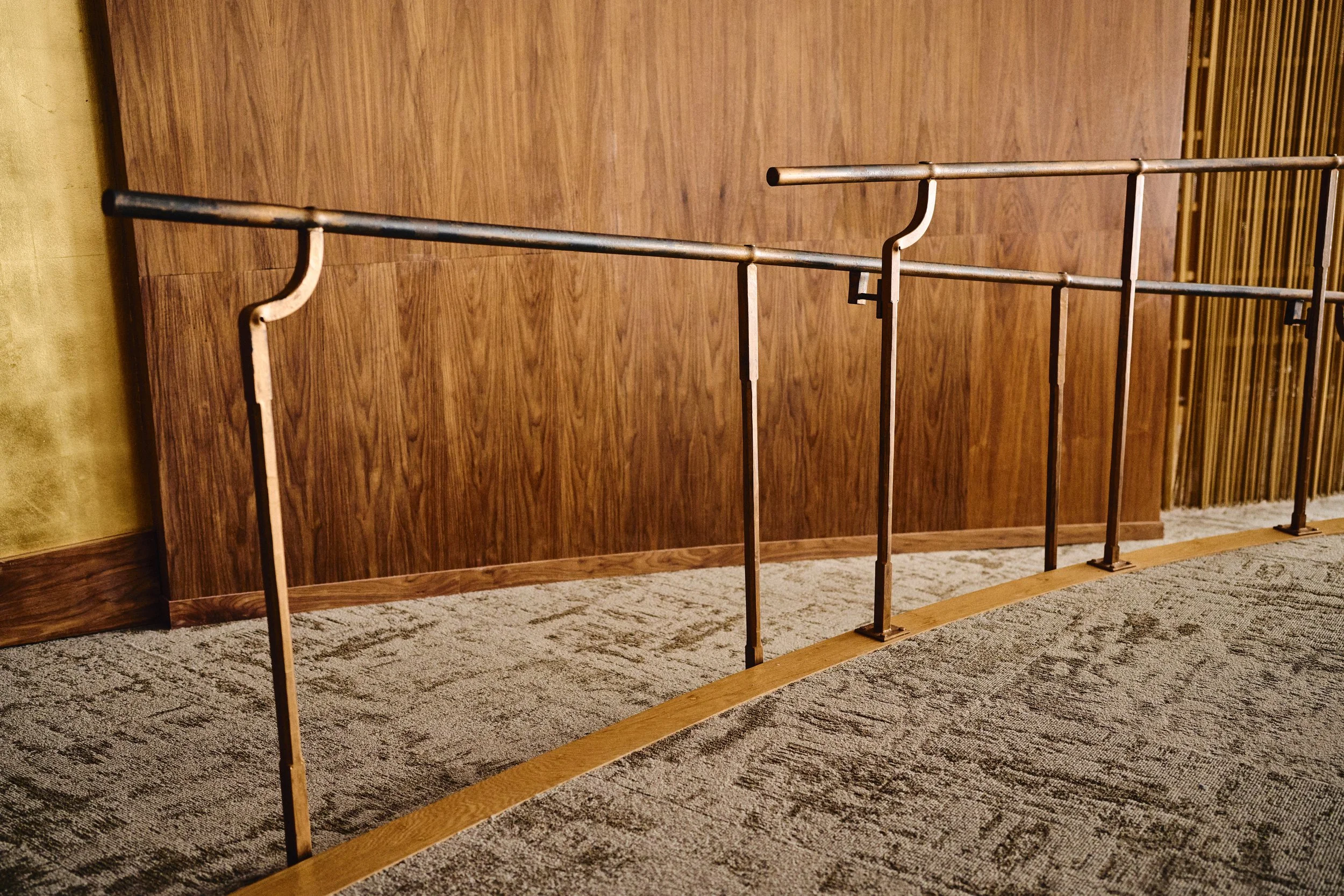
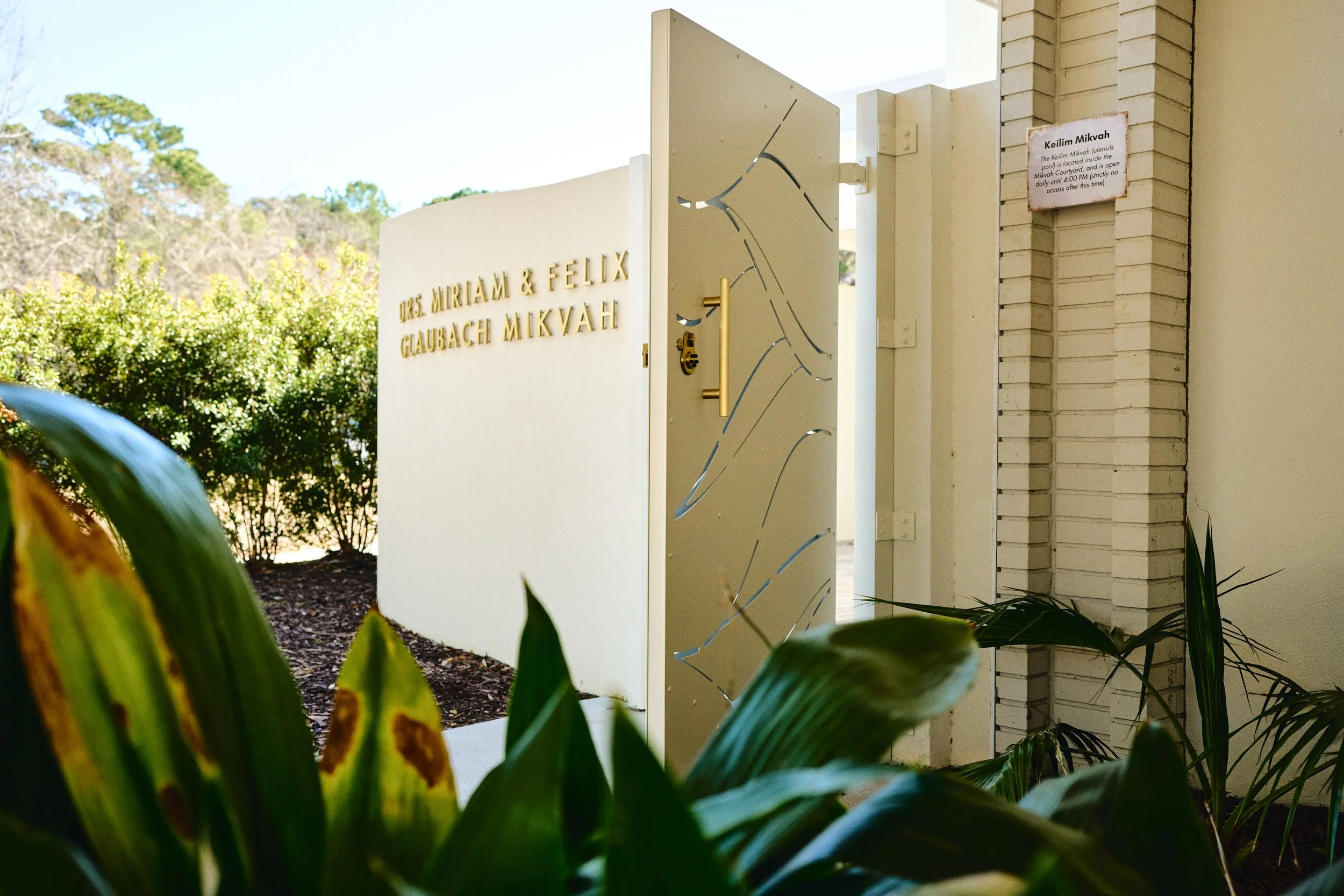
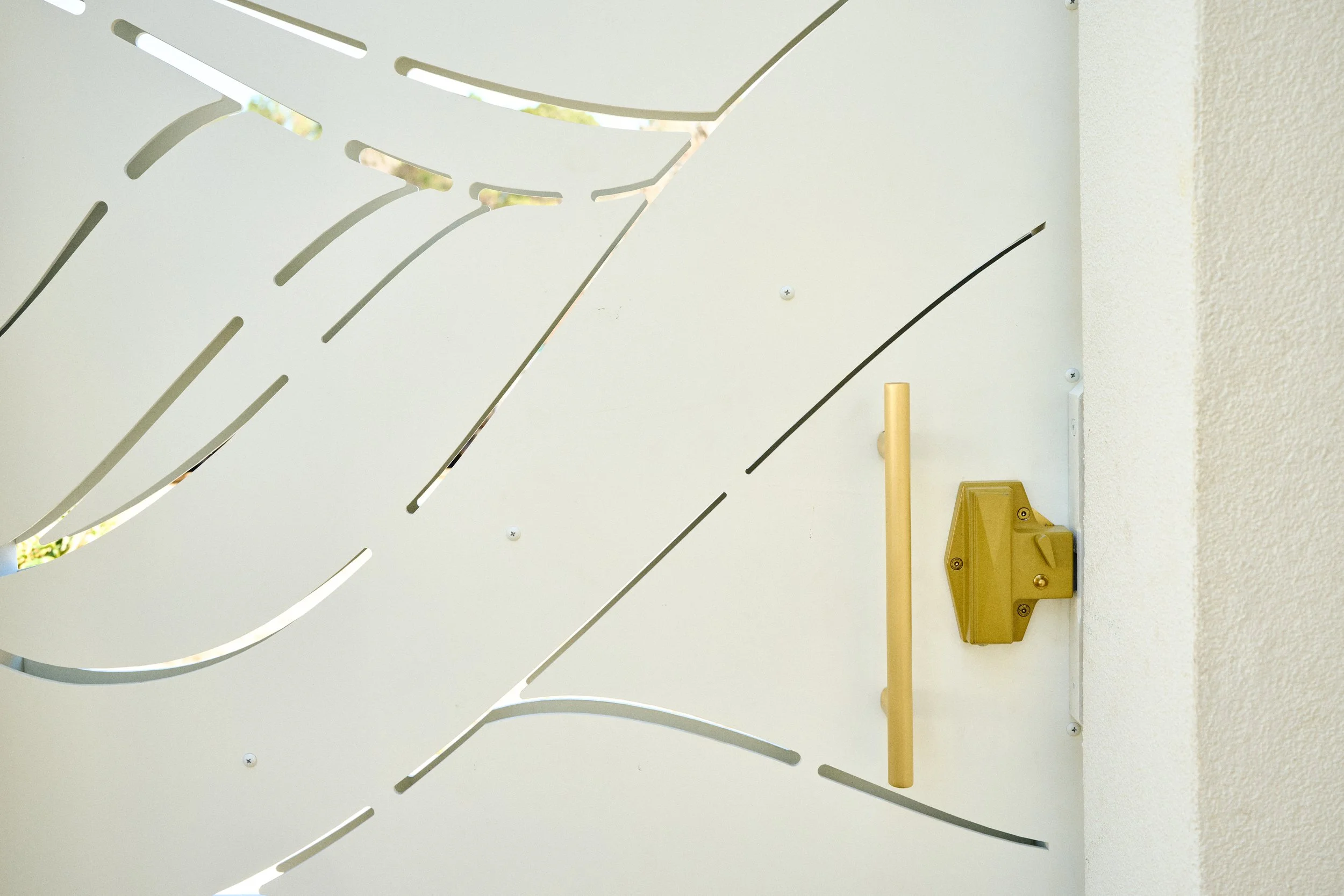
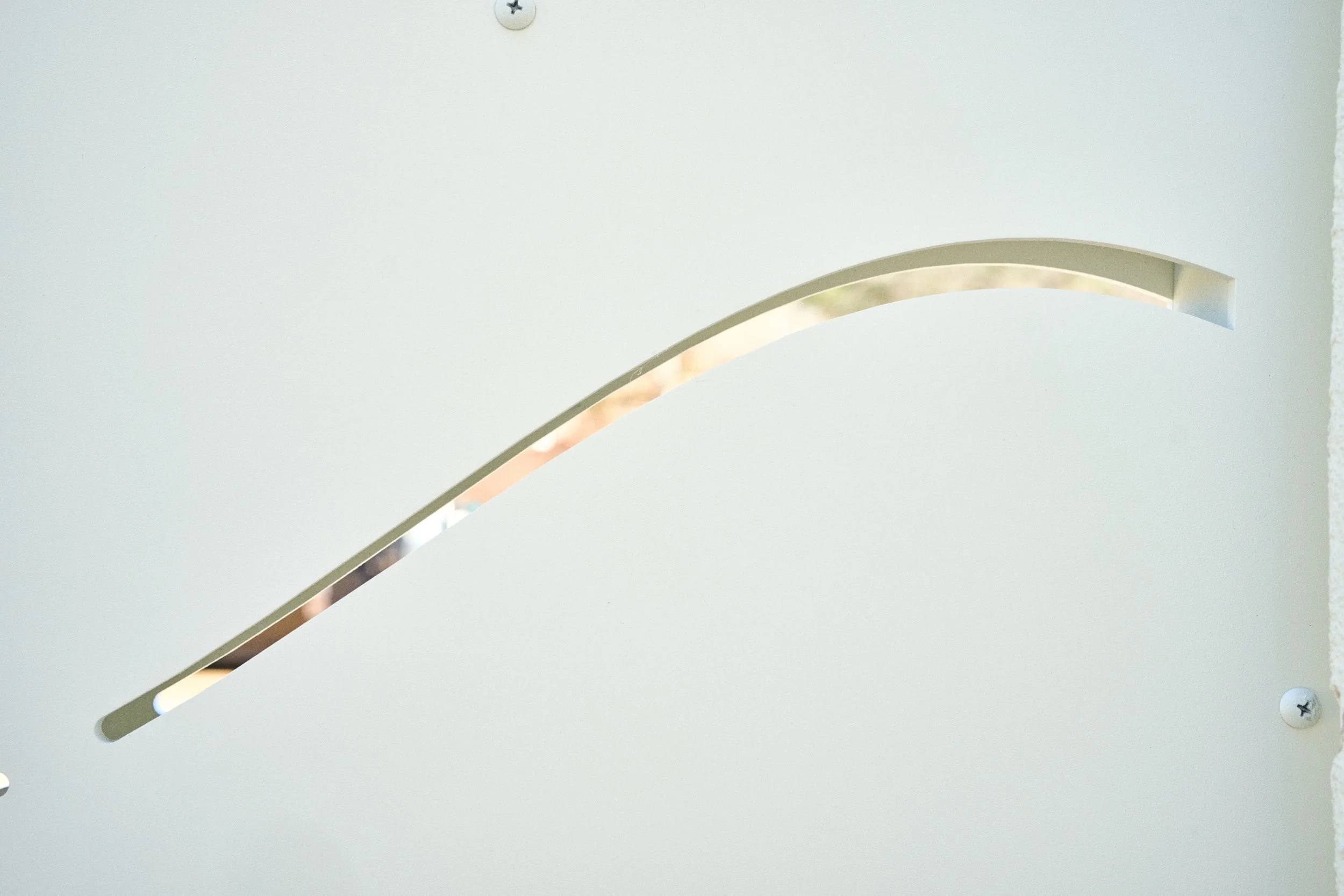
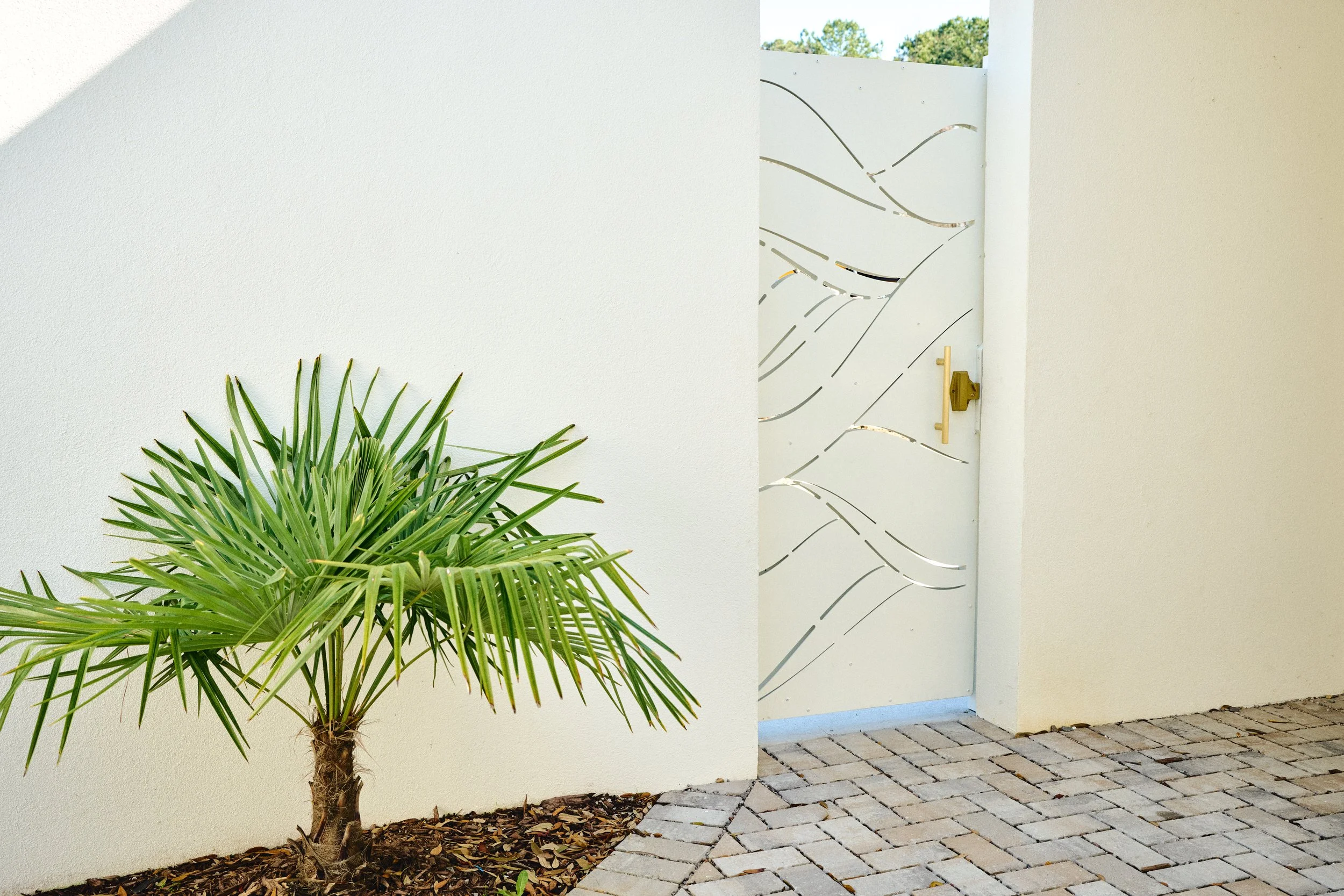
The outdoor space includes a mikveh, an important ritual bath in Jewish tradition. Designed to feel both open and private, it has a separate entrance to maintain discretion. Robert contributed to this space with the gates and railing design. Water serves as the central symbolic theme, with subtle references to waves incorporated throughout the space to reinforce its spiritual significance.
A special thanks to Alicia Reed for taking the time to share her perspective. It’s a powerful example of how, even within the boundaries of tradition and religious practice, beauty and form can emerge in truly compelling ways.
Robert Thomas Iron Design — Forging meaning into metal.
Photography by Gordon Keiter