Meet Andy Dohner: His Process, Craft, and Leadership
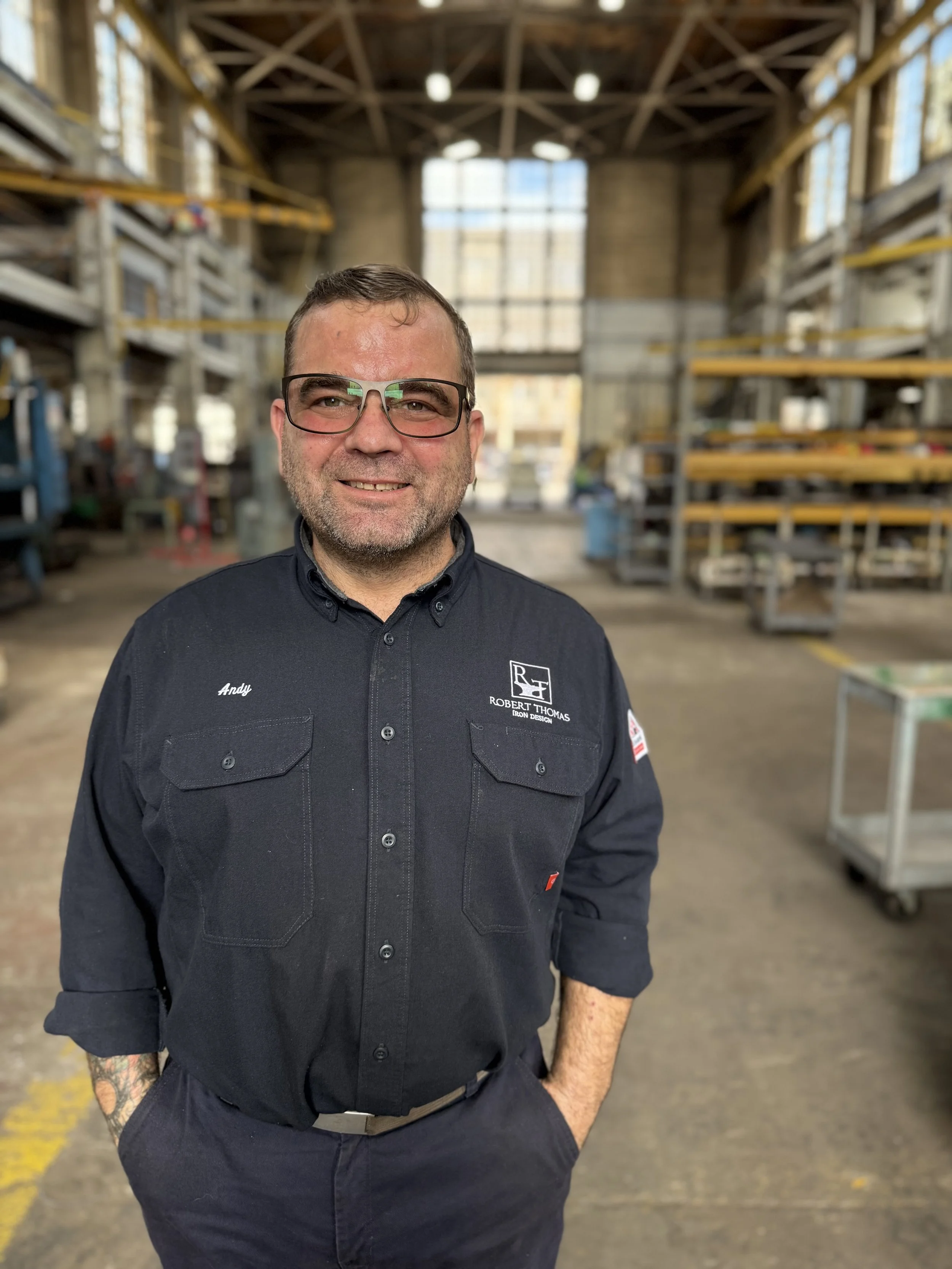
As shop foreman at Robert Thomas Iron Design, Andy oversees our most complex work, guiding projects from early fabrication onward. With more than three decades of experience in metalworking, his role sits at the intersection of process, blacksmithing, and leadership. We sat down with Andy to talk about the techniques behind the work, and how his practice inside and outside the shop continues to shape the way projects come together.
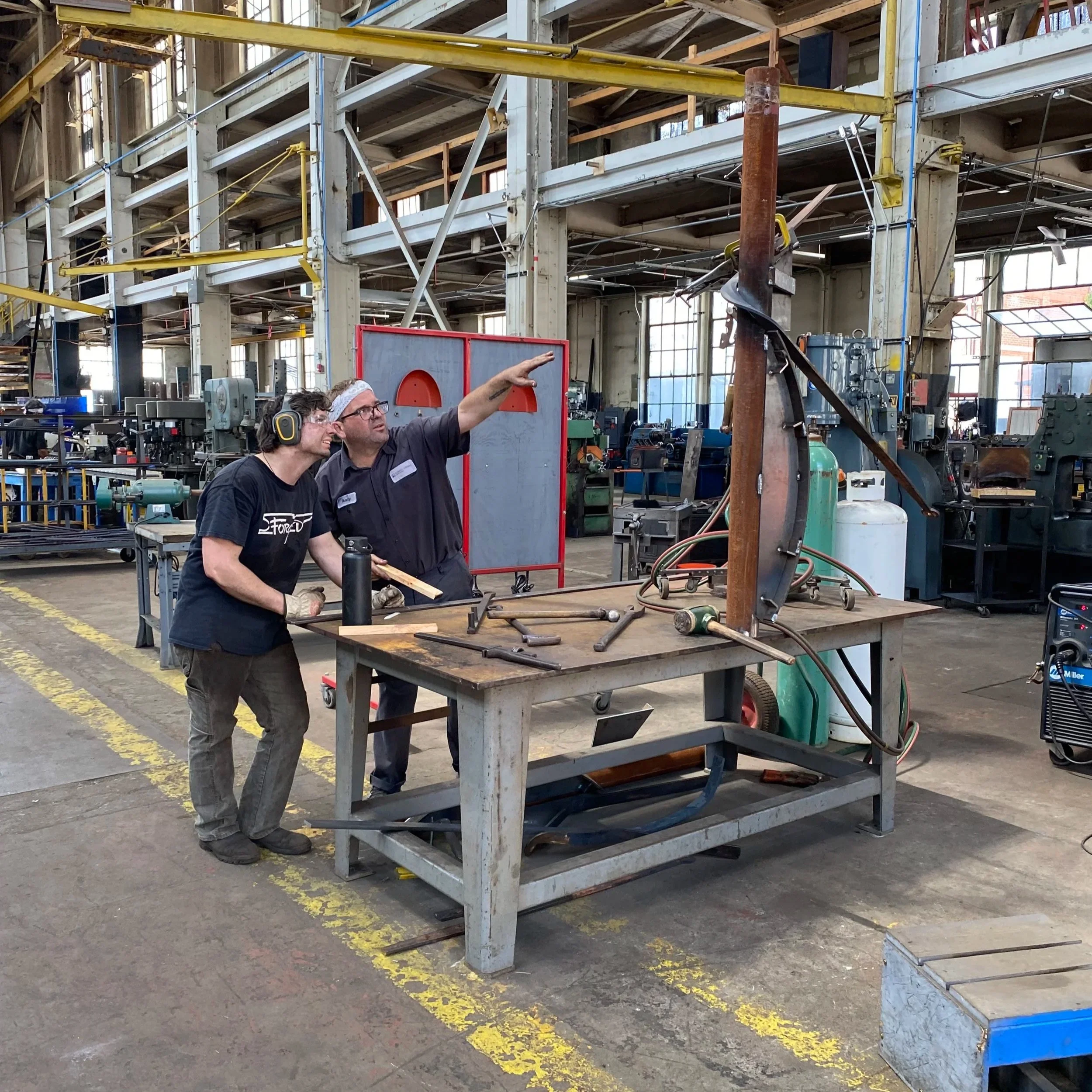
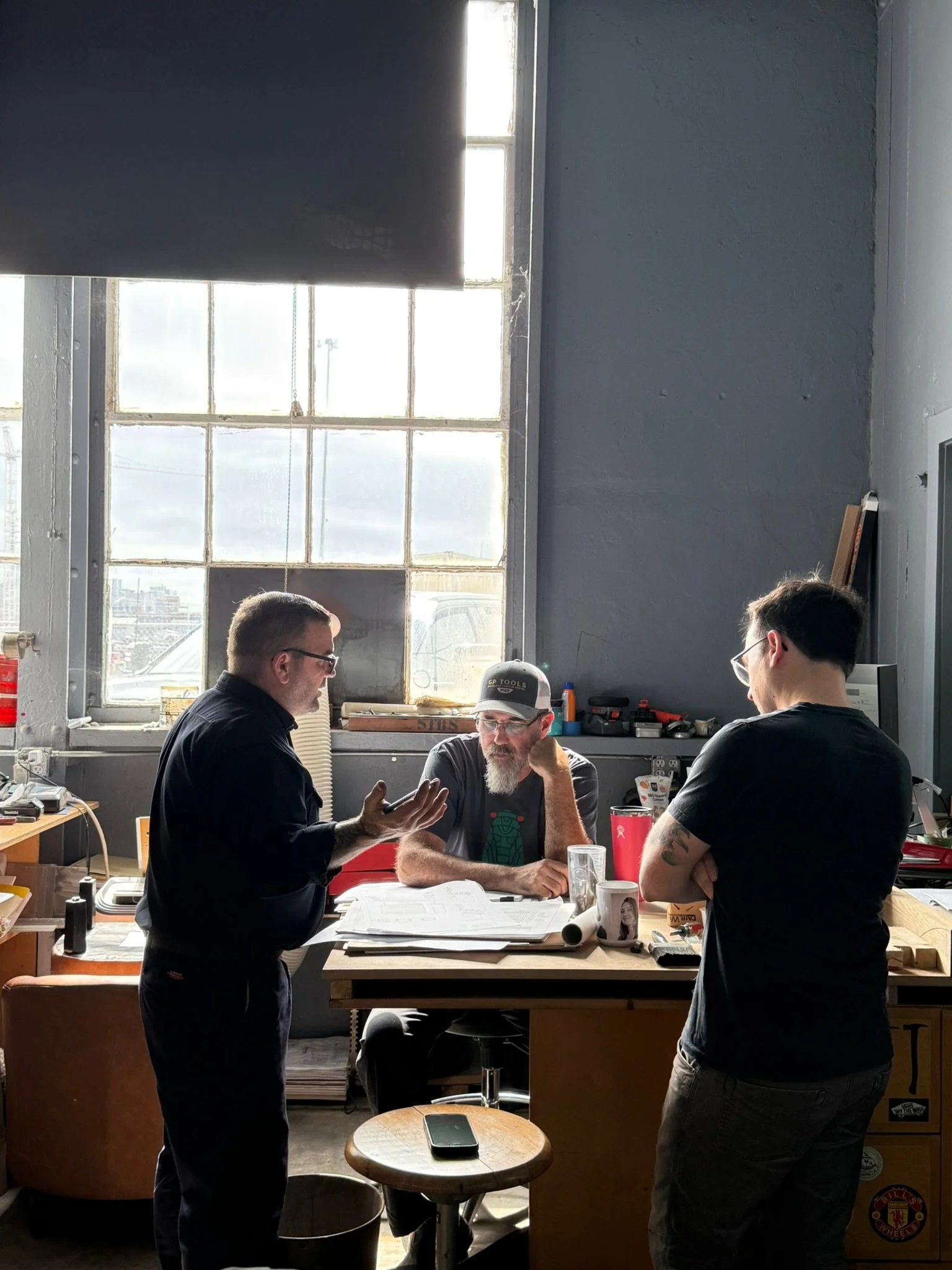
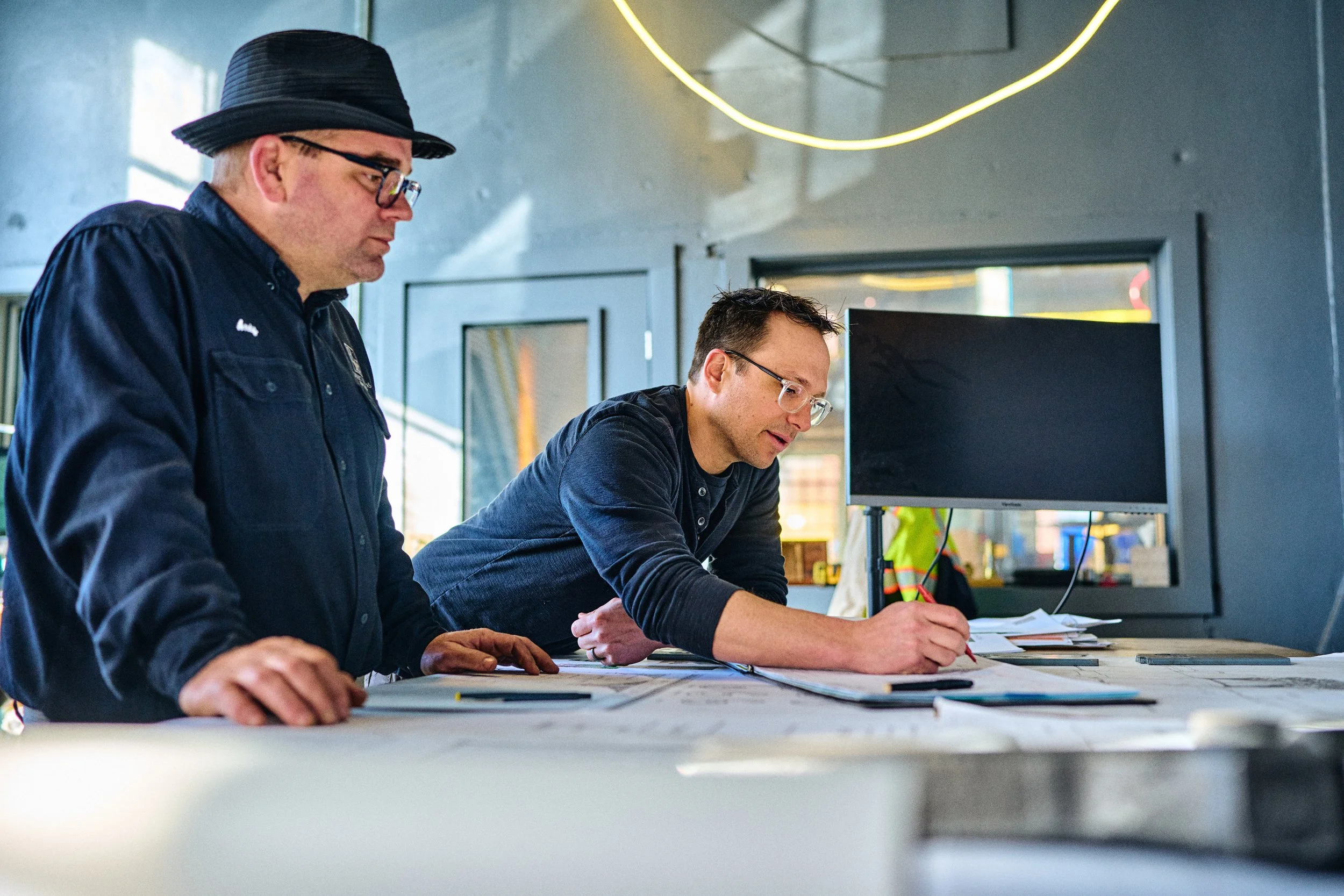
For Andy, leadership begins with structure. Each day starts with a clear plan, not just for the hours ahead, but for the week and month to come. His focus isn’t simply assigning tasks; it’s ensuring that every team member understands expectations, feels supported, and has a clear path toward success. “As far as the day-to-day goes, I construct a meeting every morning,” Andy says. “We talk about company expectations, deadlines, and what the day looks like. But very seldom are we just figuring out today, we’re talking about the week and the month as a whole.” He’s constantly asking: does everybody have a task at hand? And if not, what kind of support do they need? Setting his team up for success means more than defining what it looks like to accomplish a task; it means inviting them to help set goals and priorities, creating shared ownership from the start.
“At the end of the day, I need to set my team up for success.”
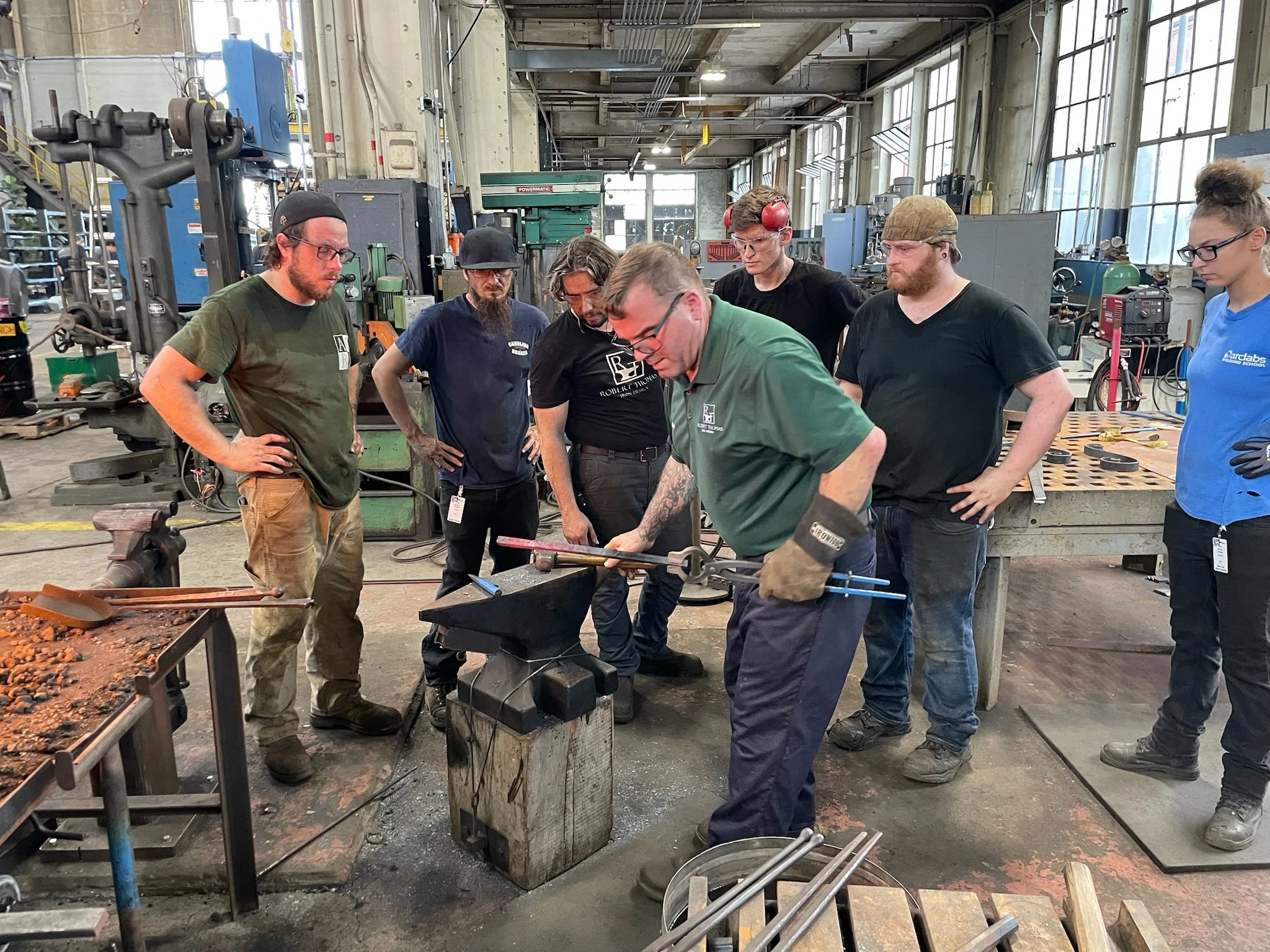
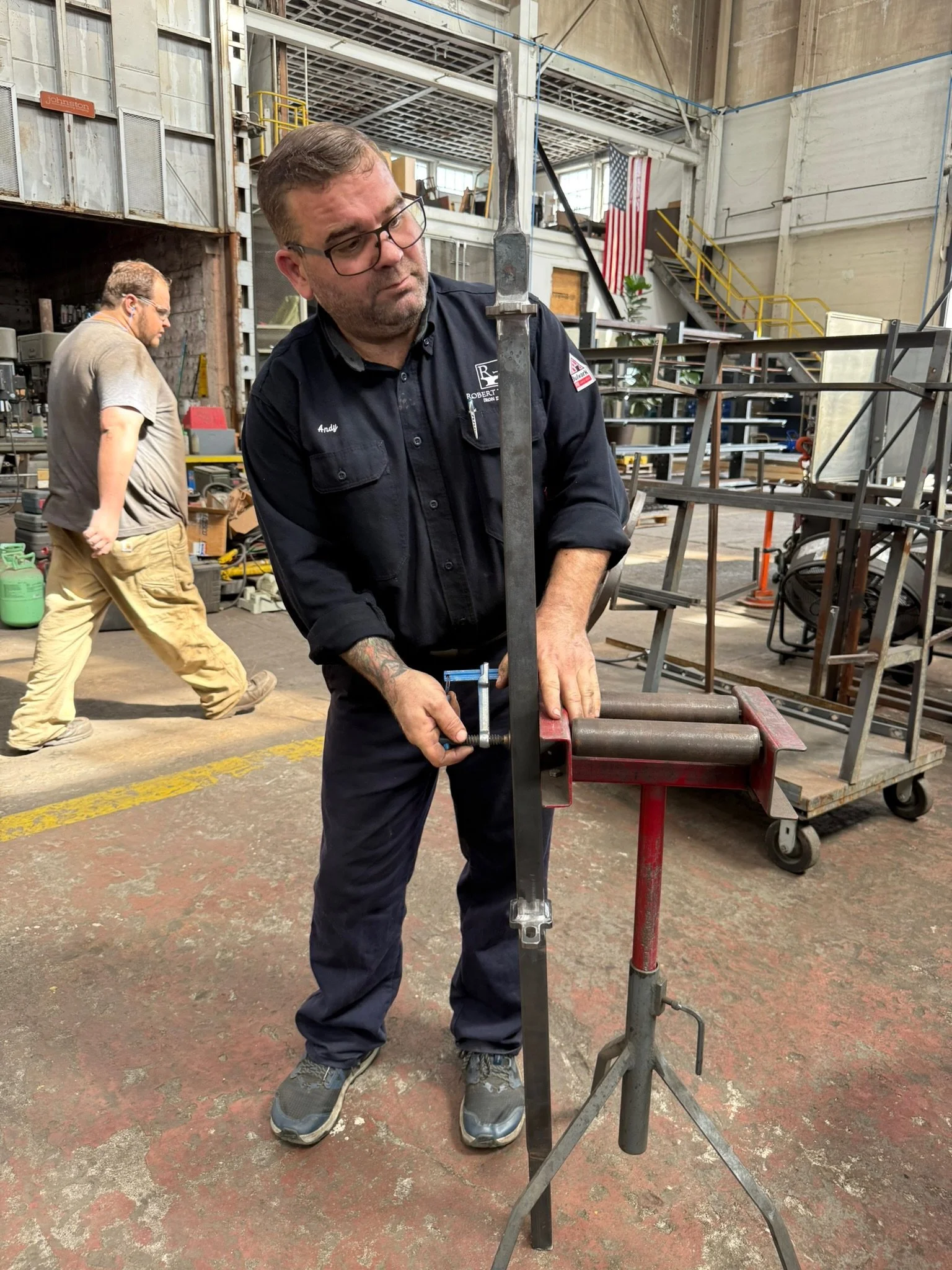
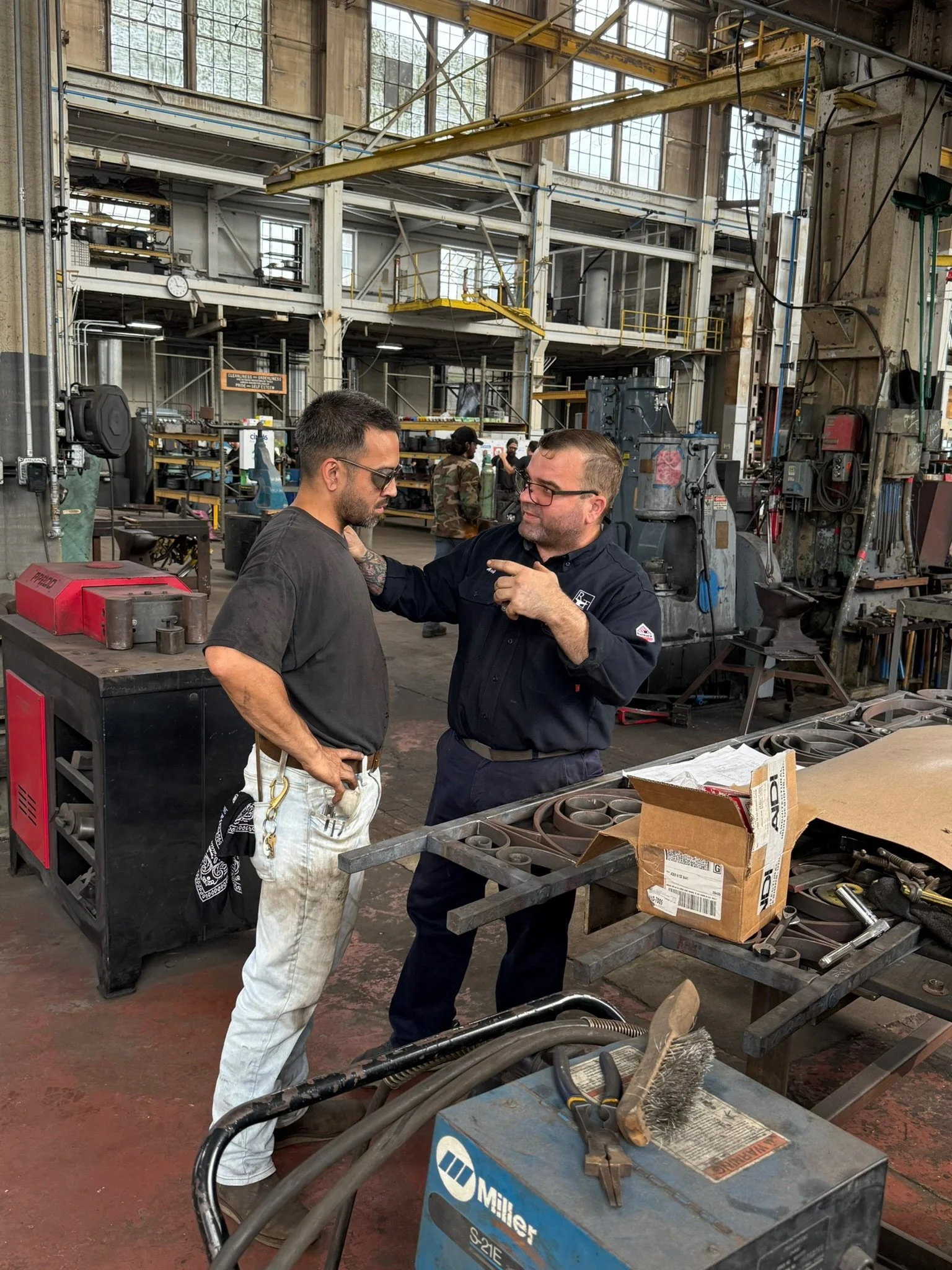
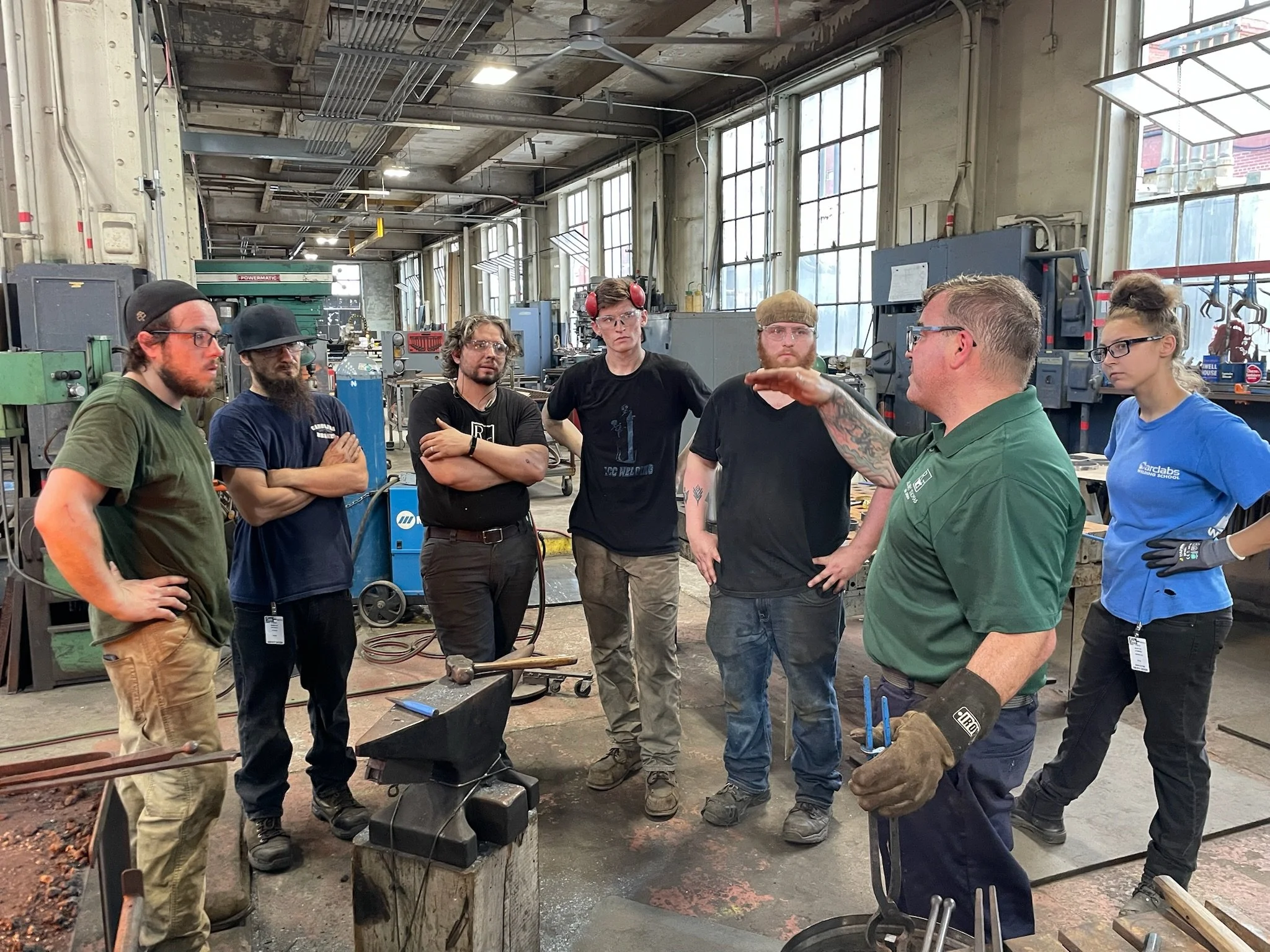
Assigning work is never arbitrary. Andy studies both the task and the individual, pairing strengths with opportunities for growth and building collaboration into nearly everything the team does. “There’s not a whole lot we do at this scale that’s one person,” he says. “What I prefer is to have somebody who’s strong in that specific category paired with somebody who’s learning in that category.” He considers stress tolerance, creativity, experience, and timelines, balancing in-house training with the realities of delivering high-level work. Projects like the Clemson University Commemorative Gate embody that philosophy: lengthy, involved, and blending conventional and unconventional techniques. “Making sure I have the right person for the job is crucial,” Andy says.
“A lot of the time I’m using these tasks as an opportunity to excel these team members to the next level.”
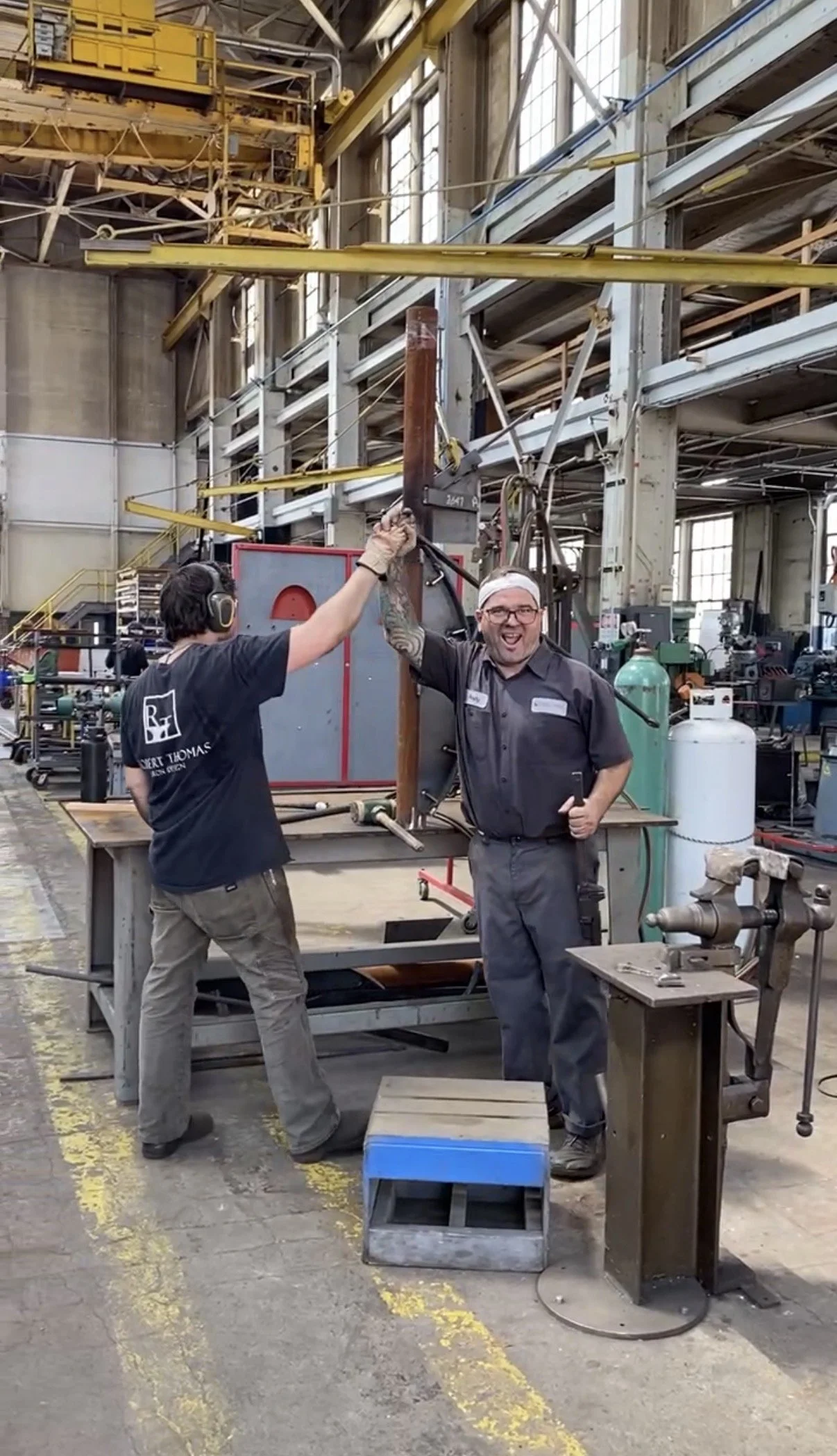
Andy describes the feeling of accomplishment after months of working on a project, and the pride it brings to the team
That same level of intention carries into the way materials are shaped. One of the biggest misconceptions about ornamental ironwork is that all shaping happens the same way, but as Andy explains, forging and forming are fundamentally different processes, and that difference changes everything. “Forging is manipulating material by stretching it, shrinking it, spreading it. You’re transforming a stock bar into something completely organic. Sheet metal forming is different. You’re taking a sheet of material and forming it into a shape. It’s not being manipulated a lot, it’s mostly being shaped. On the Clemson gates, the leaves were forged, they’re more of what we’d call a forged bar shape. They can be three-dimensional to a degree, but in the context of that project, they were attached to something flat. The peace lily was more formed. It’s a sizable three-dimensional shape, independent, standing alone. It’s the centerpiece of the project.”
Scale introduces another layer of complexity. “When we’re talking about process, you have to think about your capabilities. When I see an object over 18 inches, I have to really start thinking about how I’m going to make it, because that whole peace lily was made hot. And it has to go in a furnace that’s only 18 inches wide. So I need to figure out how many 18-inch parts I need to make up the shape that’s now 30-some inches.” To solve that challenge, the team stepped away from steel, at least temporarily. “We use tar paper or thick cardboard and literally make a template, something shapeable that reacts similar to steel. We get that shape figured out first. Then we cut those pieces out of plate and start forging and forming until we have the surface we want.”
“I feel pretty honored that I was the person selected to be the one to lead these projects for RTID”

ANDY’S PERSONAL WORK
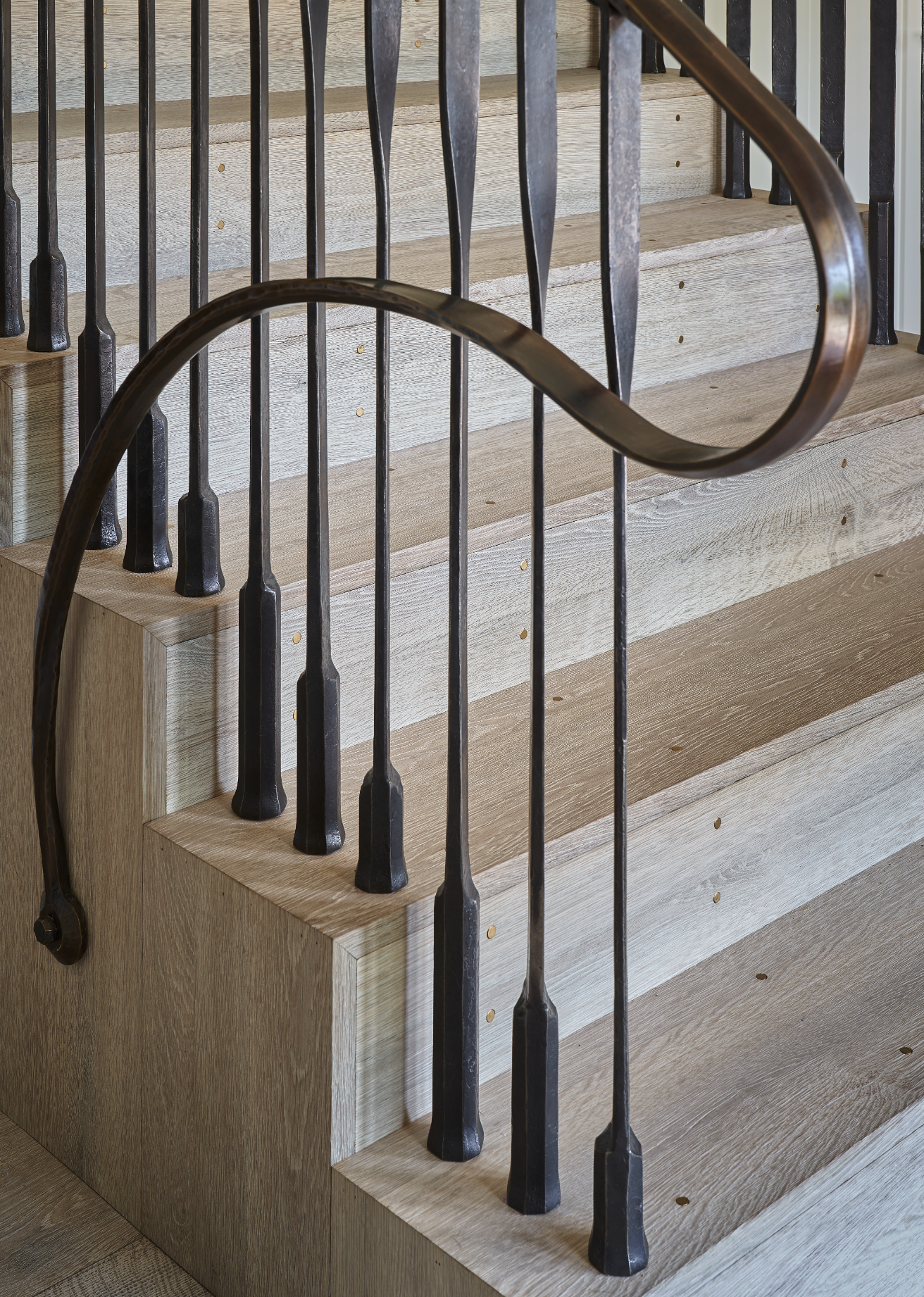
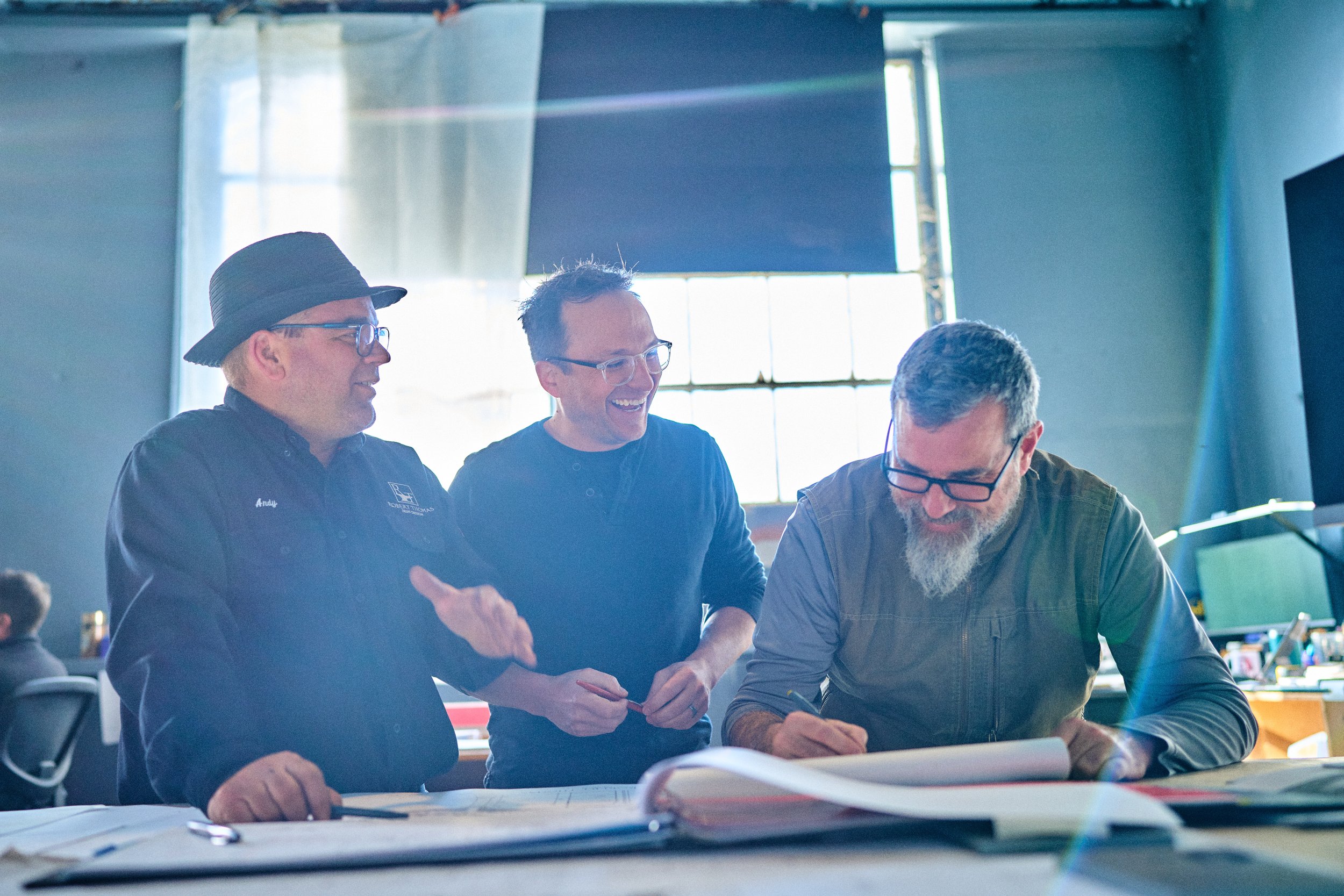
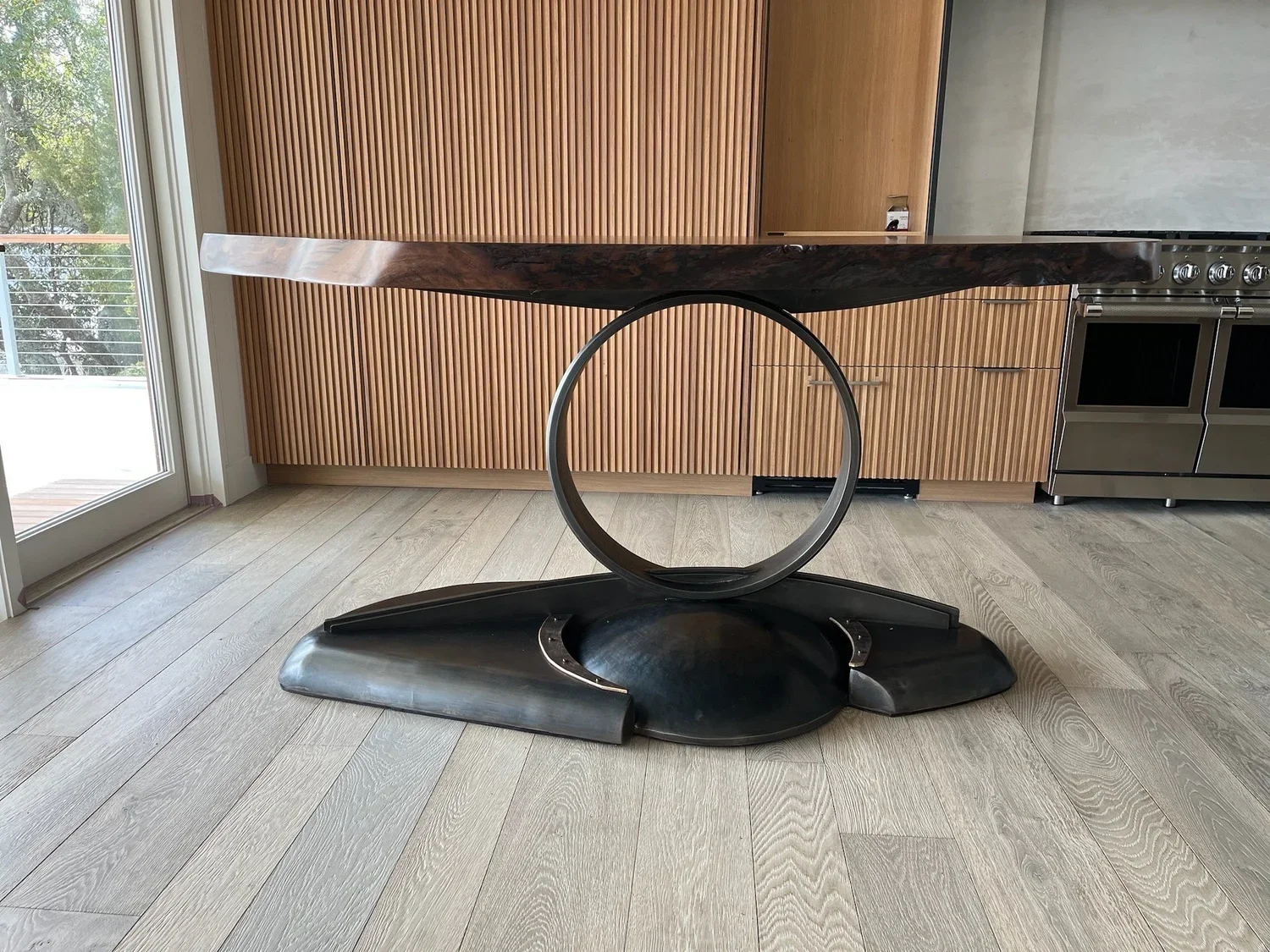
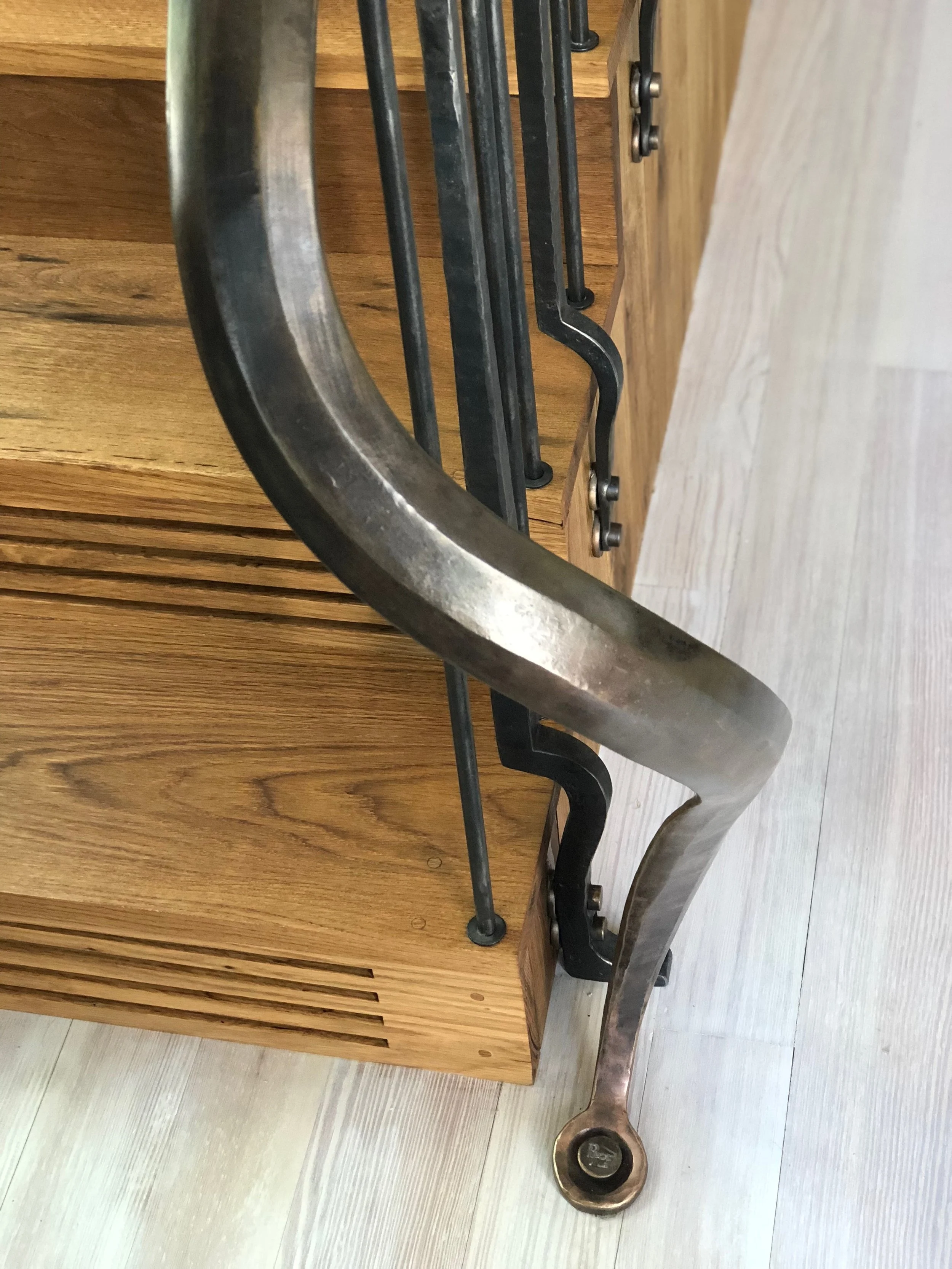
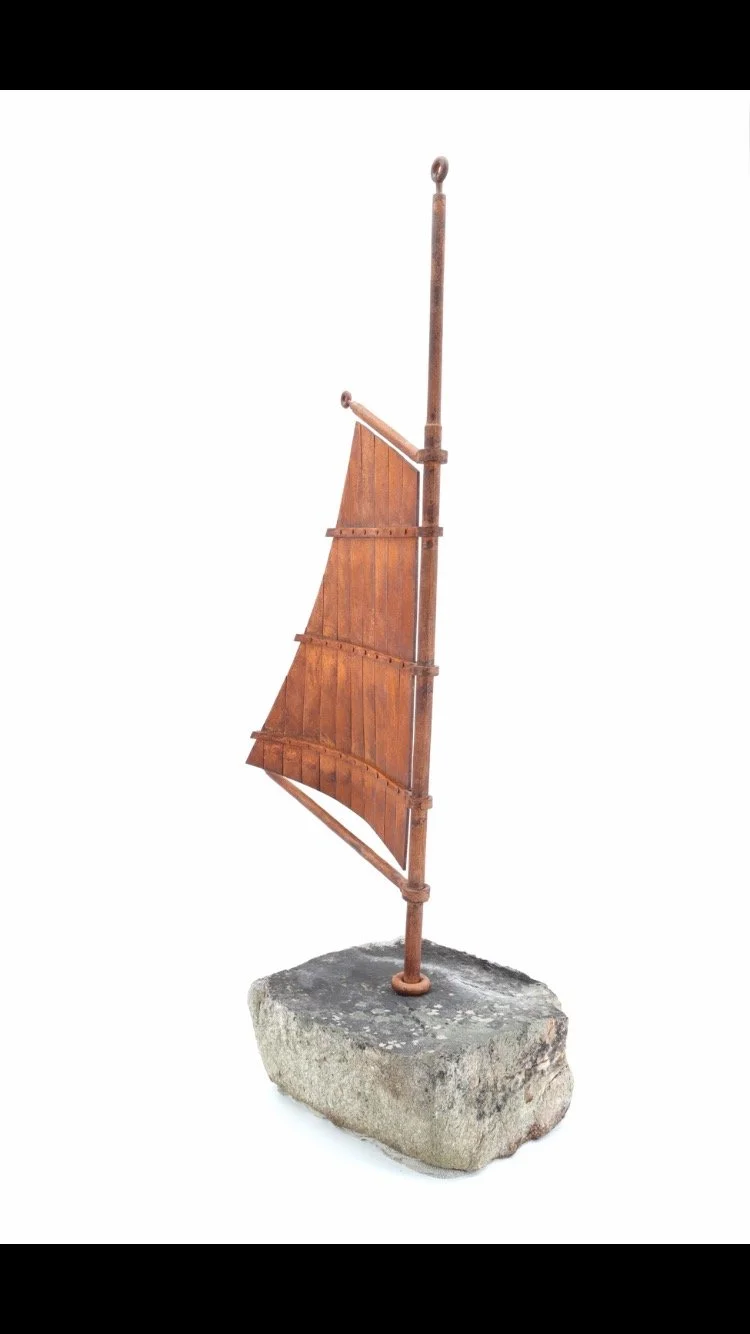
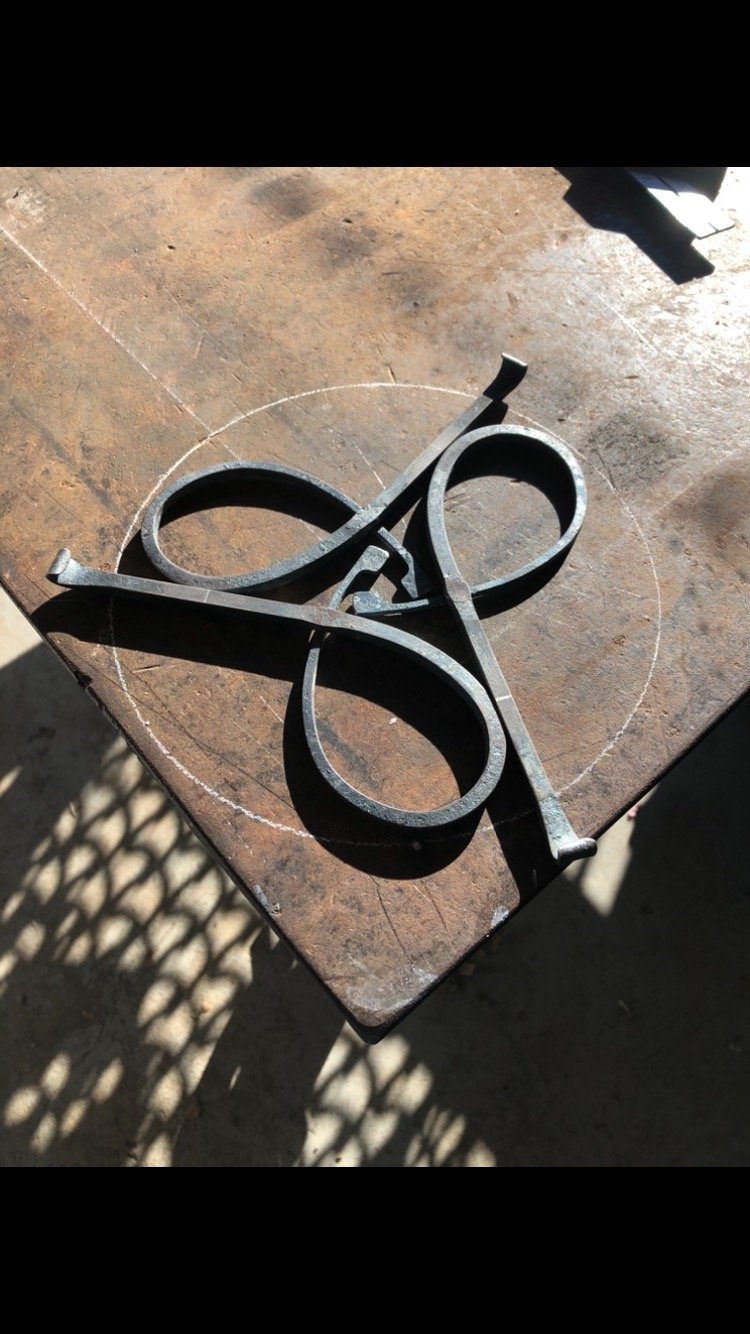
In addition to being our beloved shop foreman, Andy is a very talented designer whose 35-year career in metalworking began as an industrial welder and fabricator in Central Pennsylvania. In 2002, he shifted his focus to creative making, studying with artist blacksmiths across the country and immersing himself in the artistic forging process. That experience eventually led him to develop his own studio practice, one that blends industrial processes with conceptual design. He has participated in exhibitions and teaching opportunities nationwide, including at Penland School of Craft, Peters Valley Craft Center, American College of the Building Arts, and Austin Community College.
“I’m very much a technical and process-driven artist. That’s sort of my jam.”
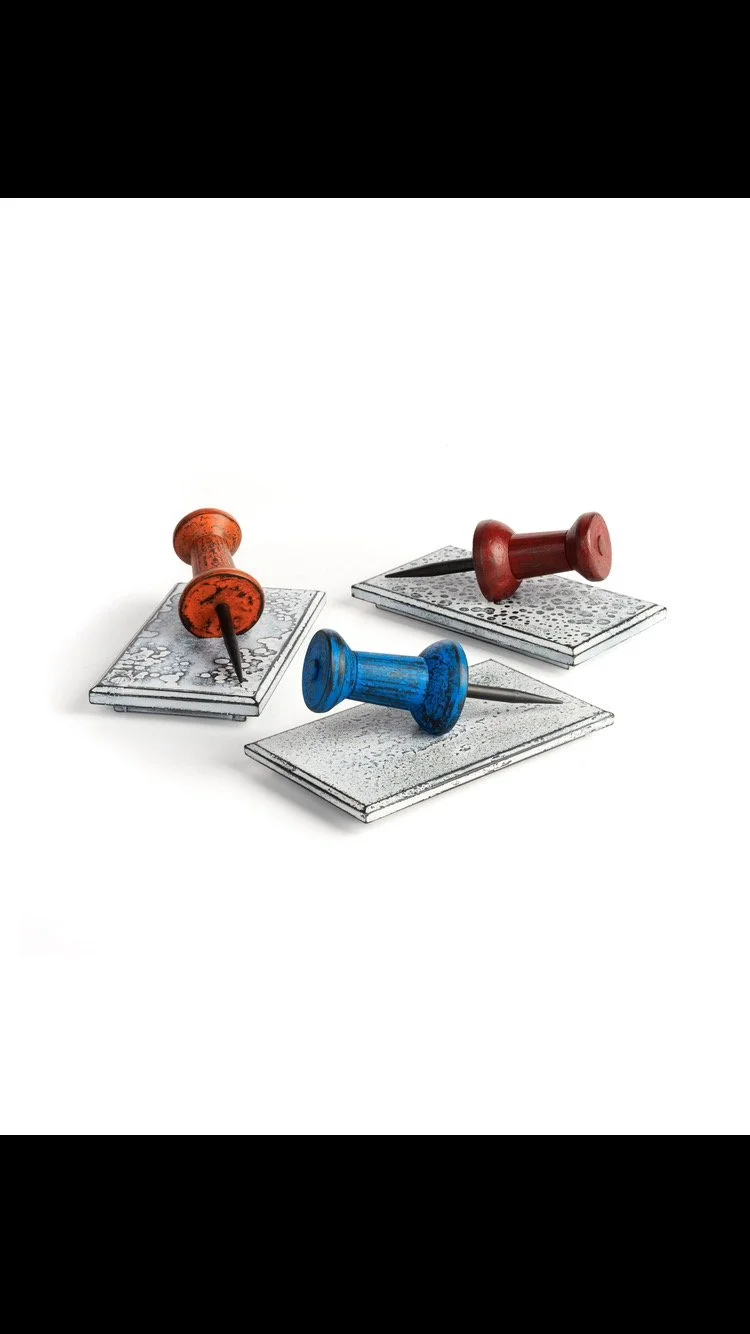
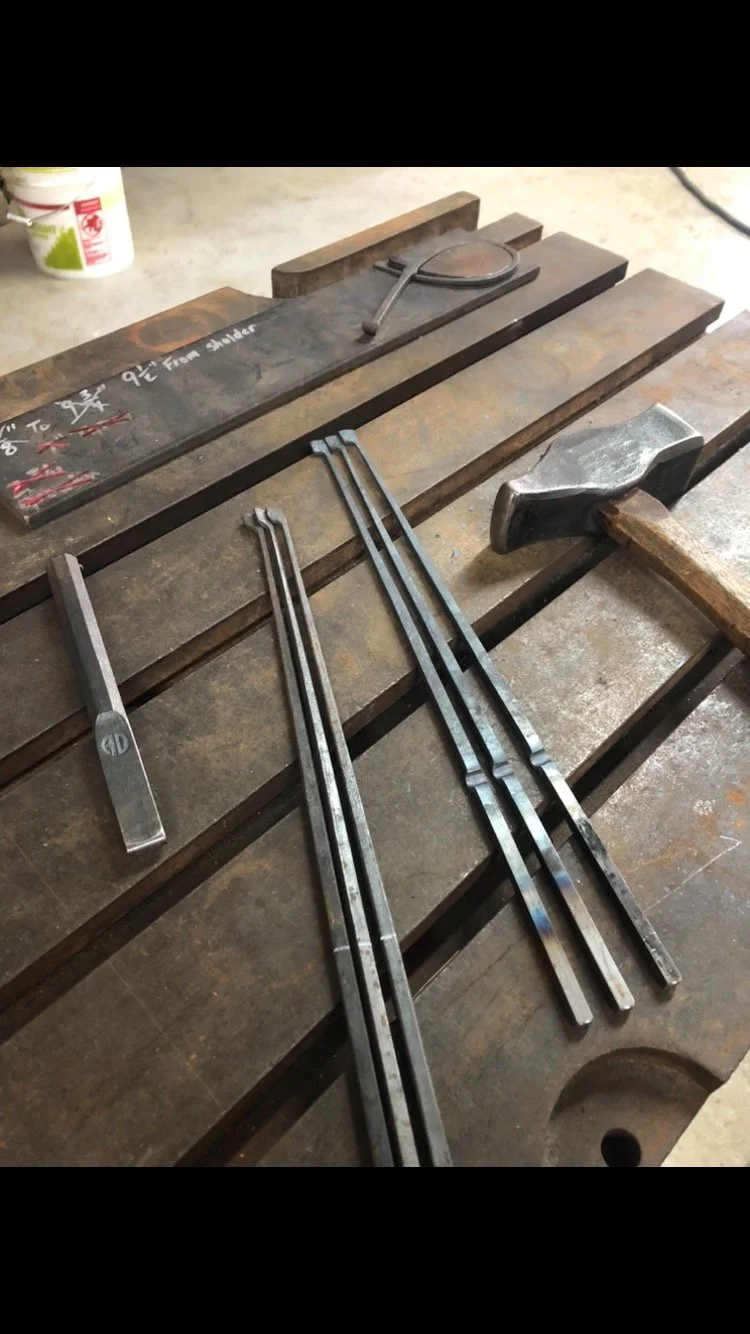
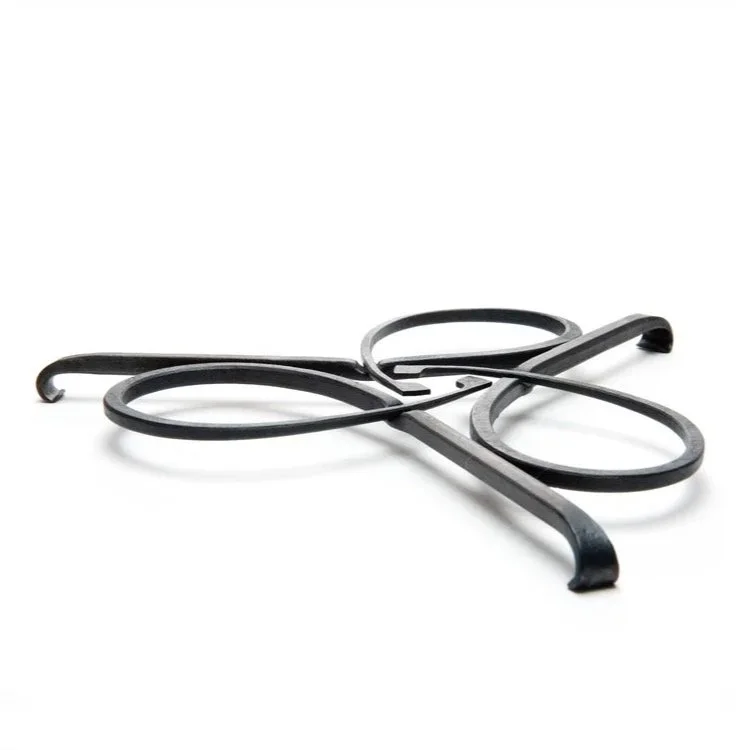
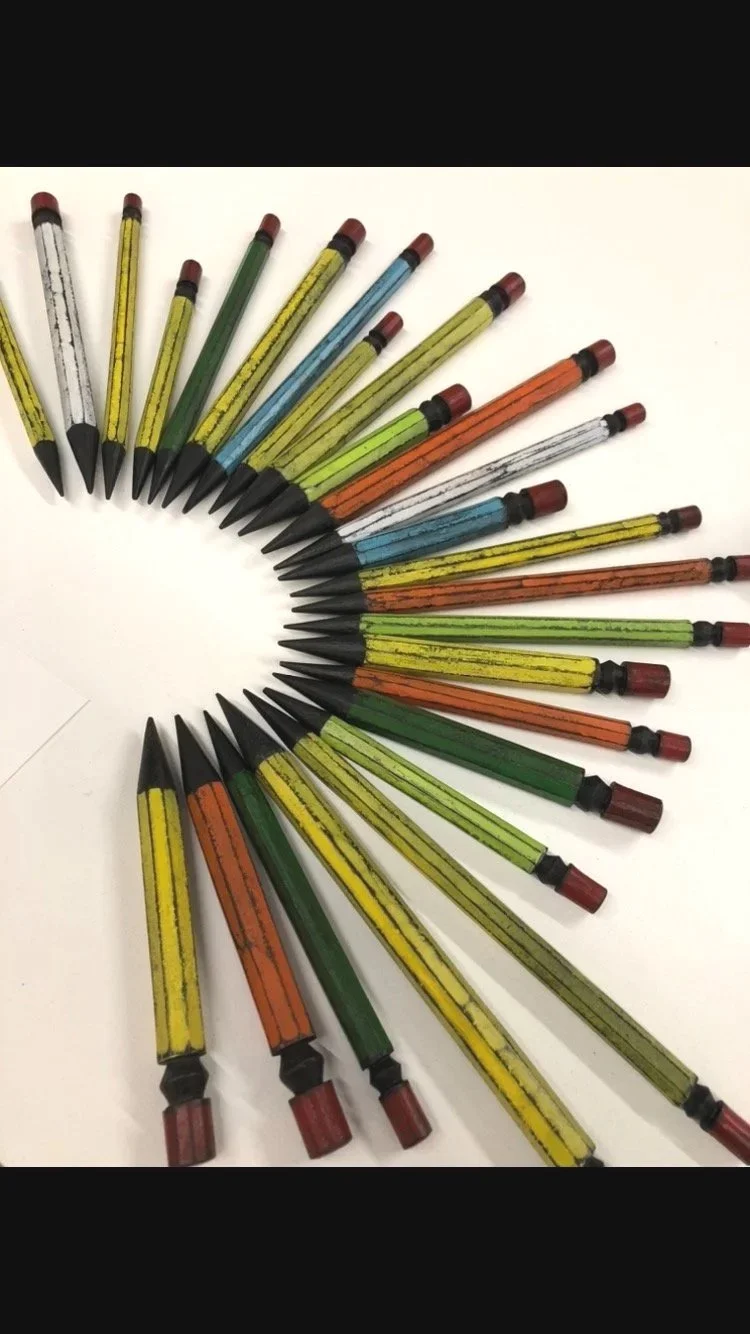
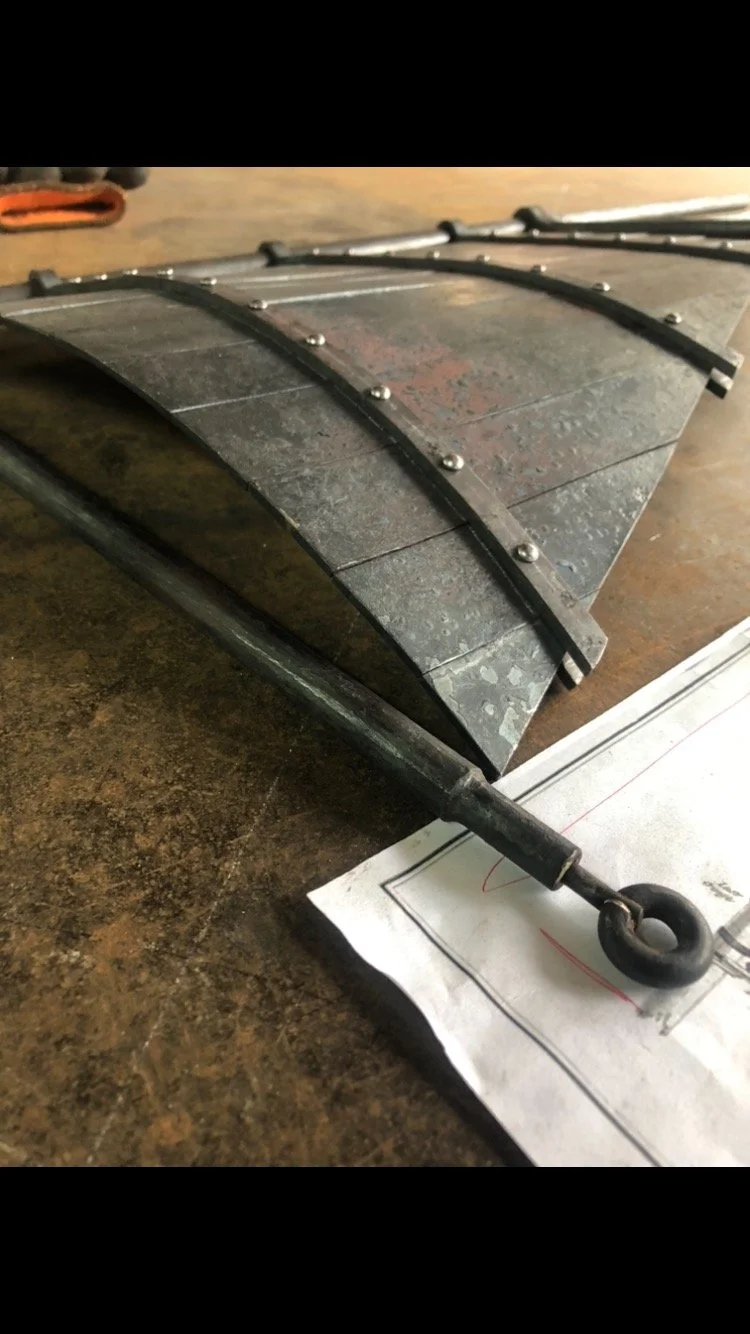
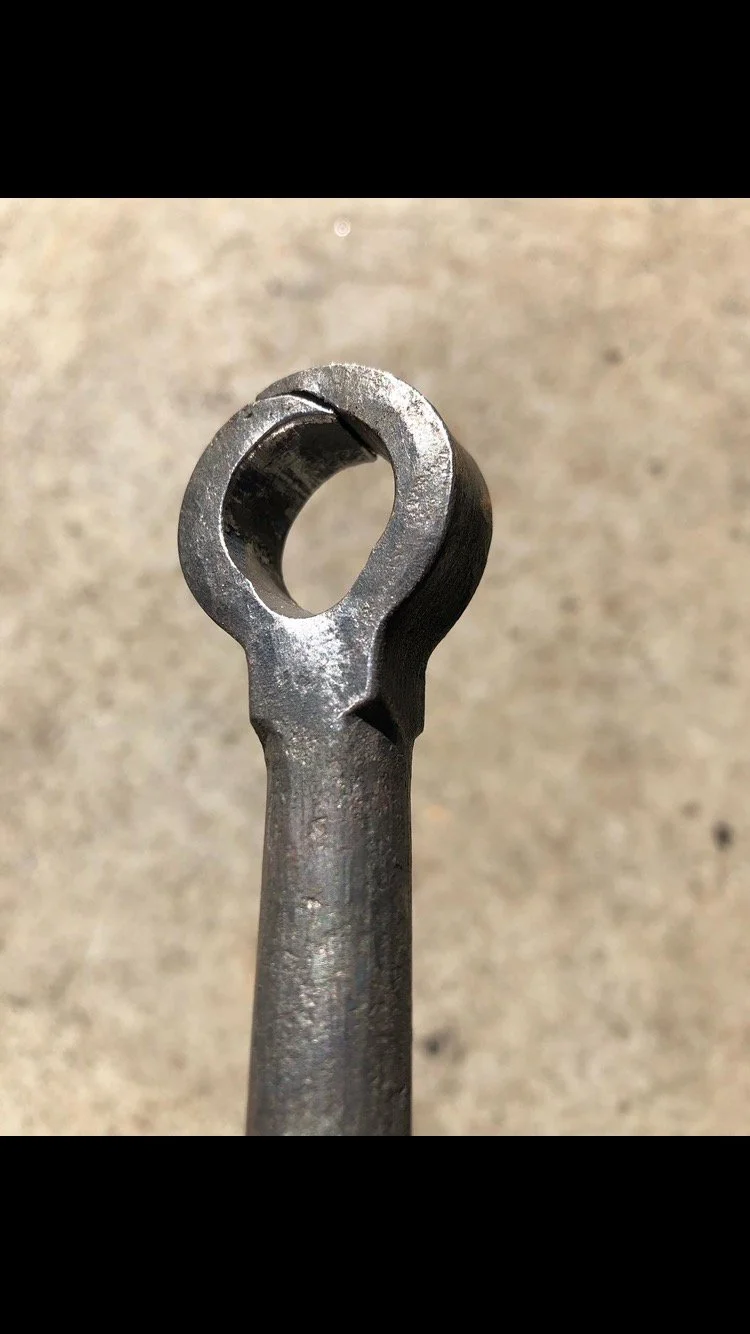
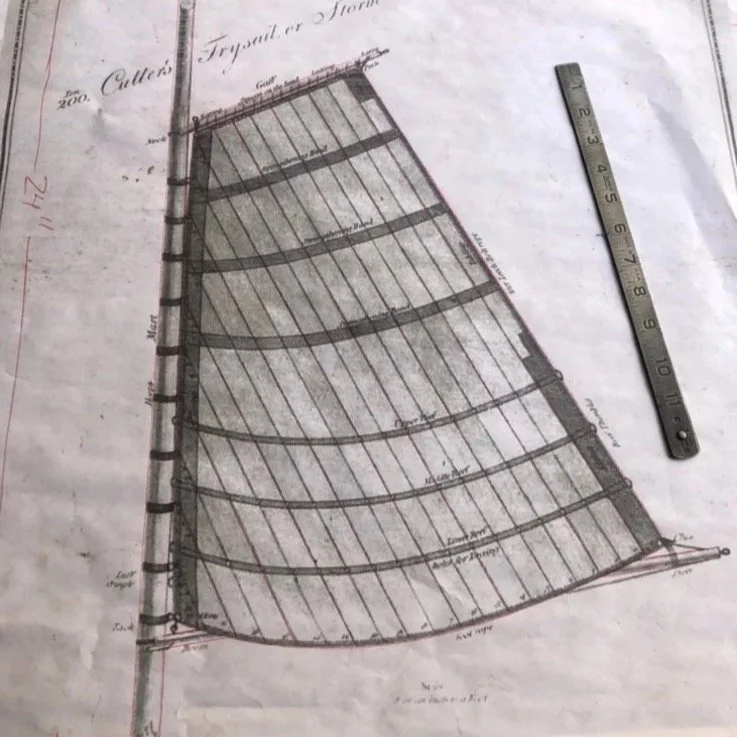
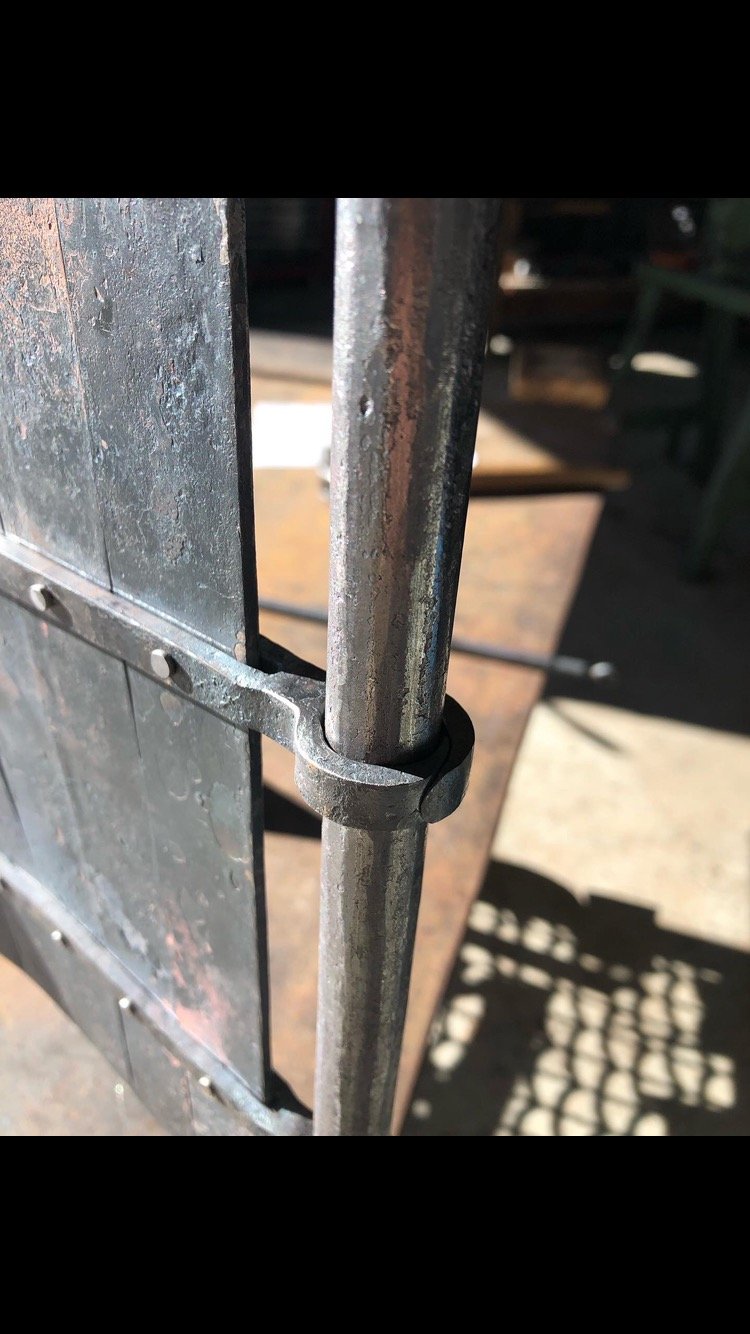
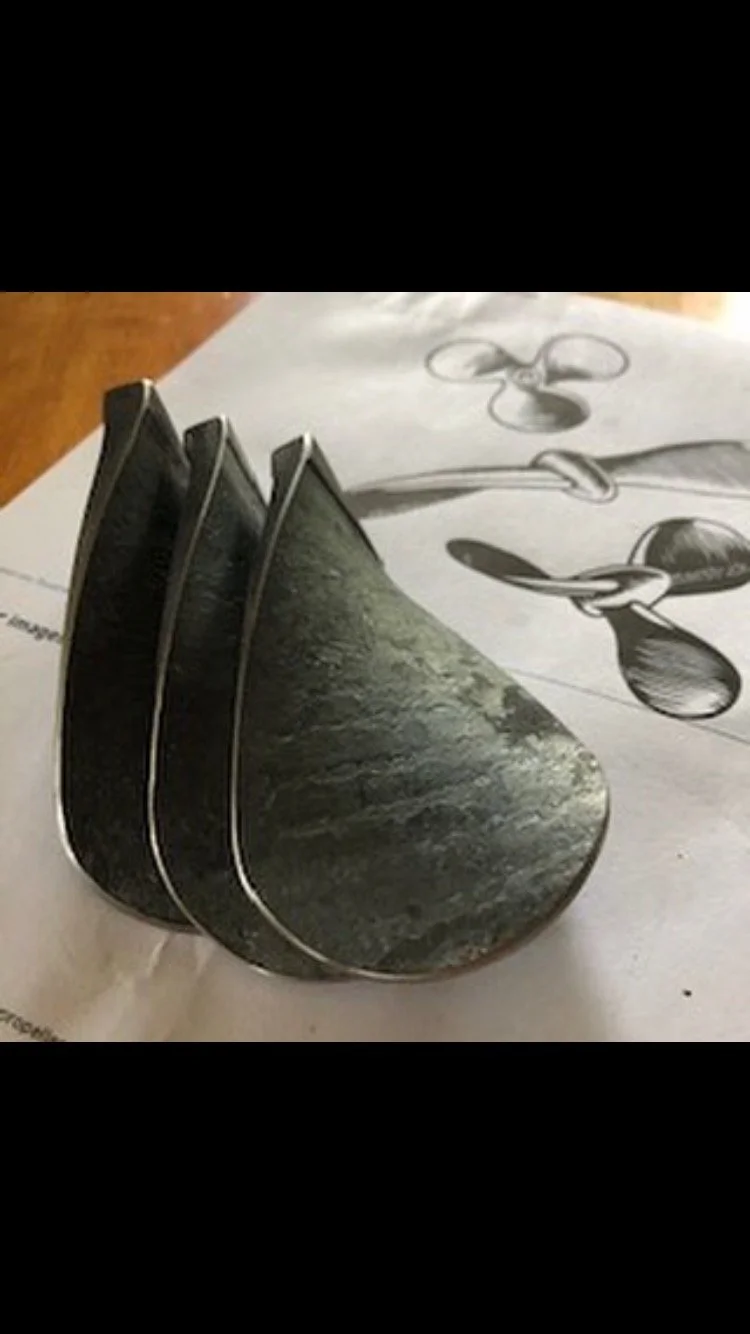
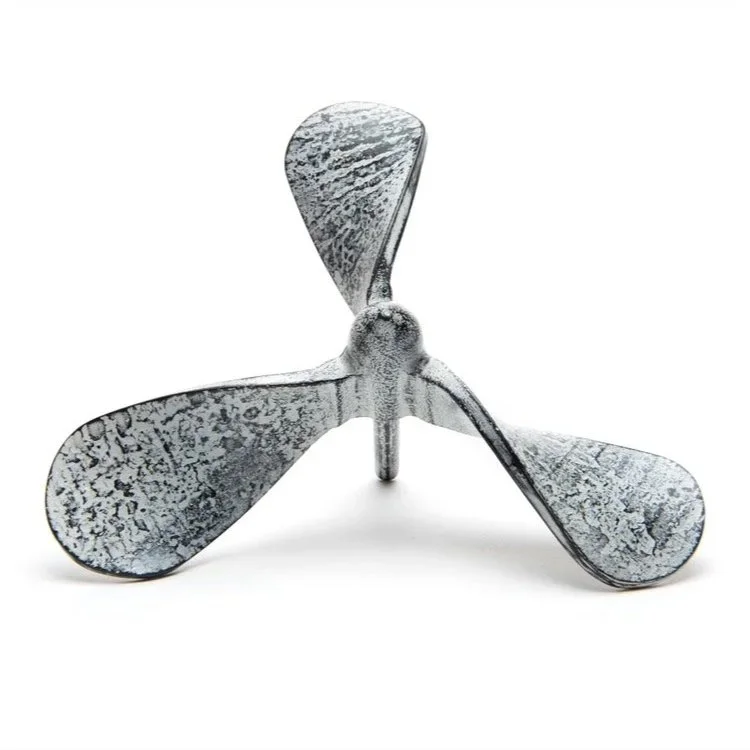
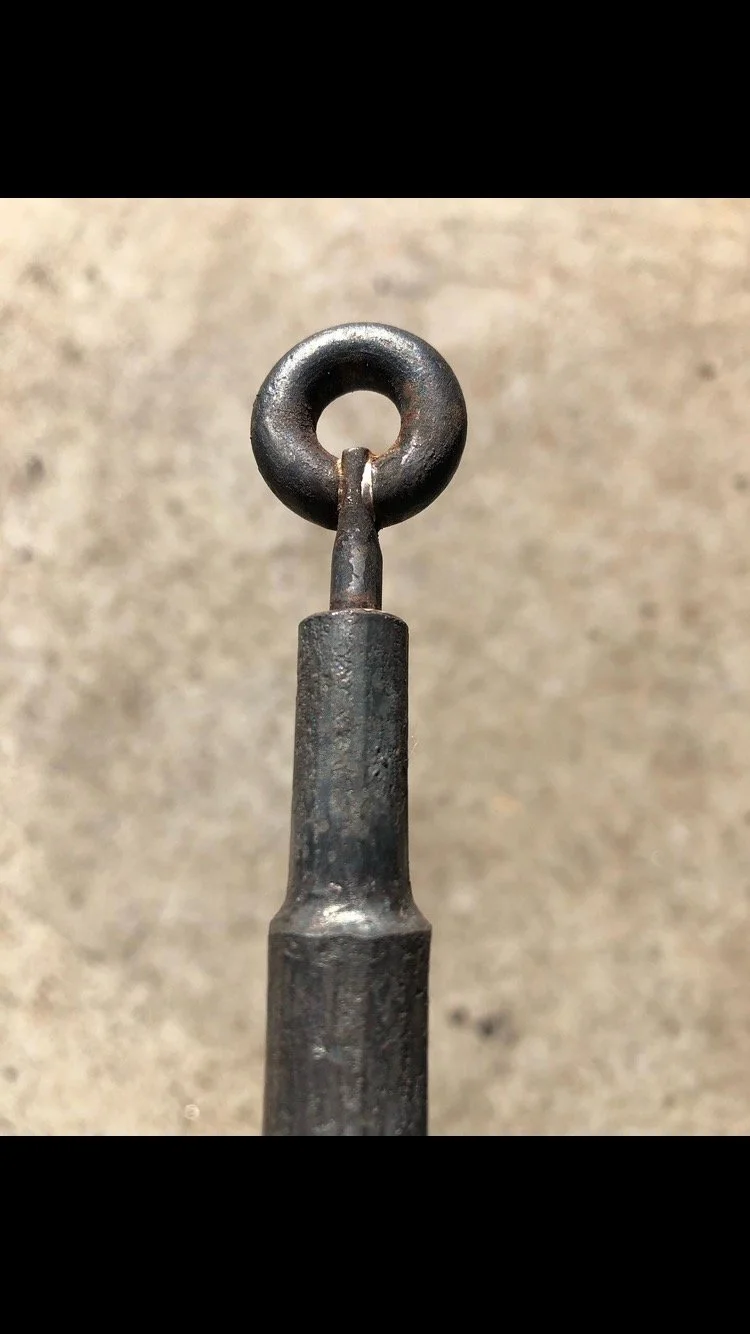
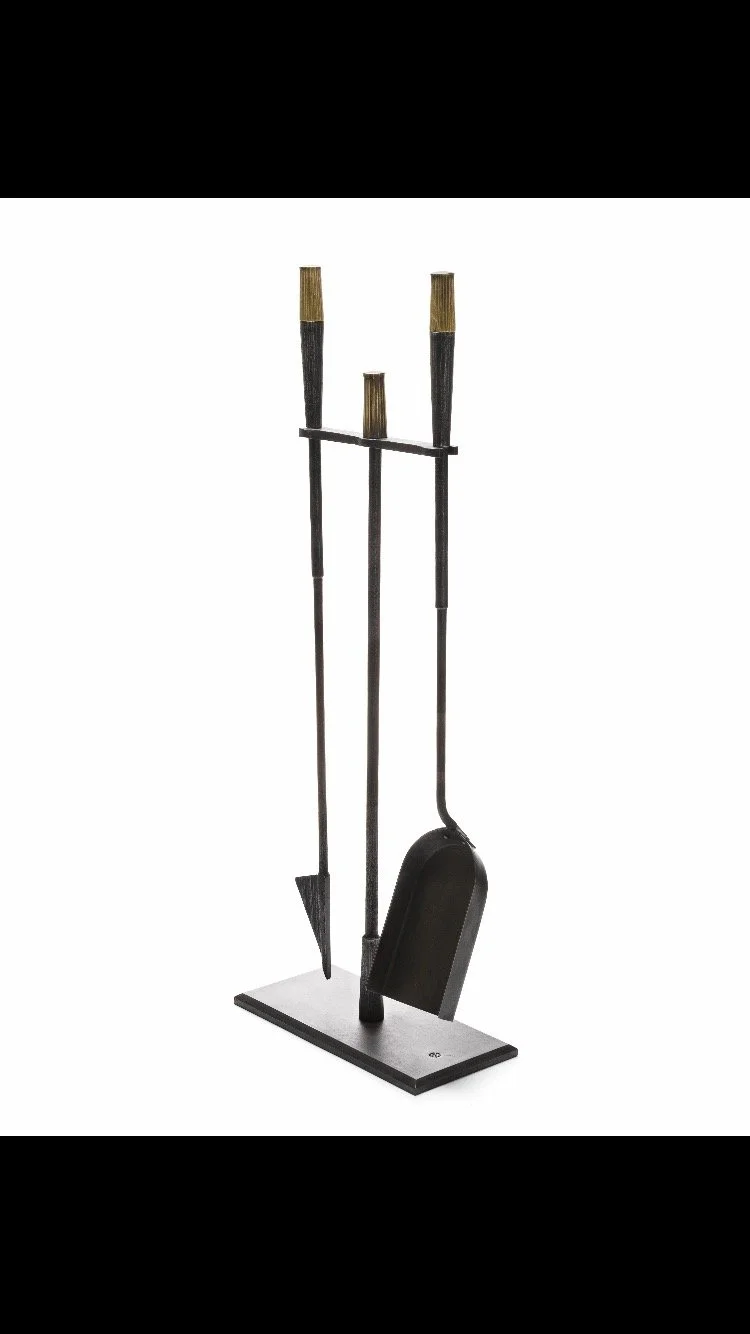
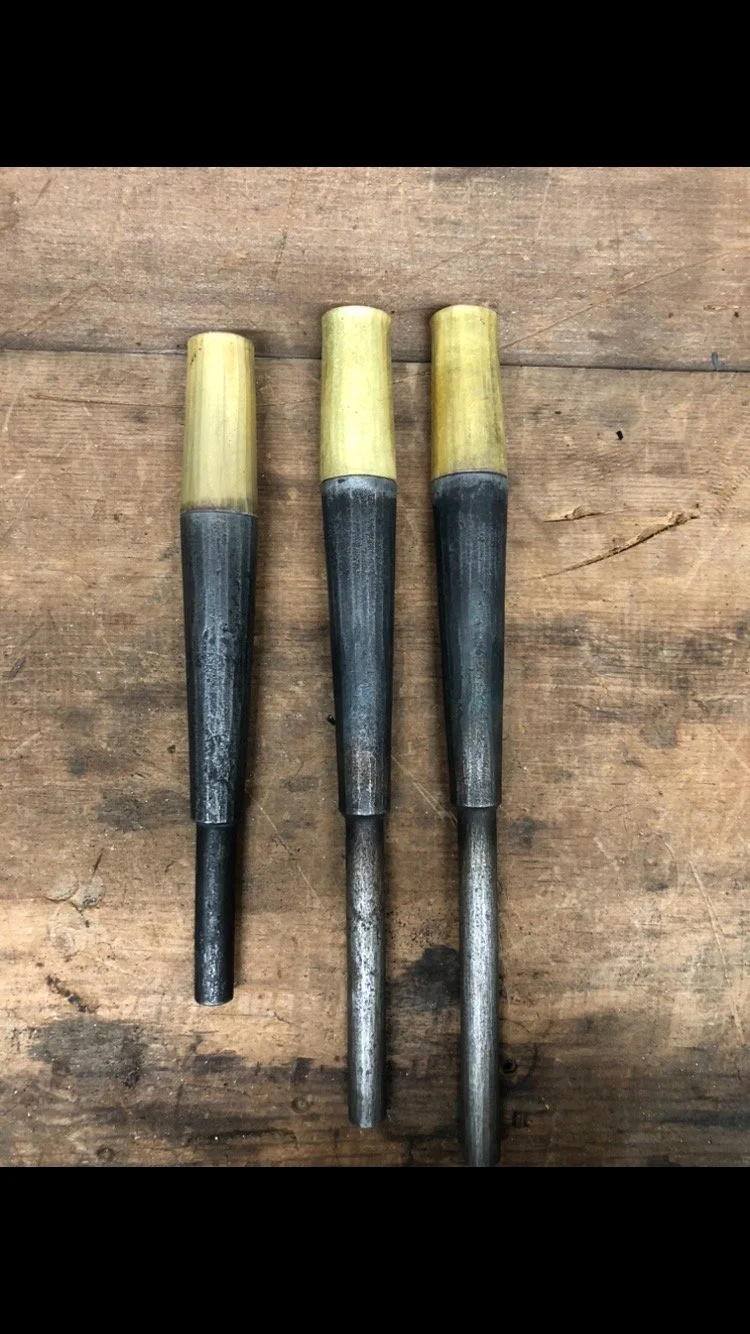
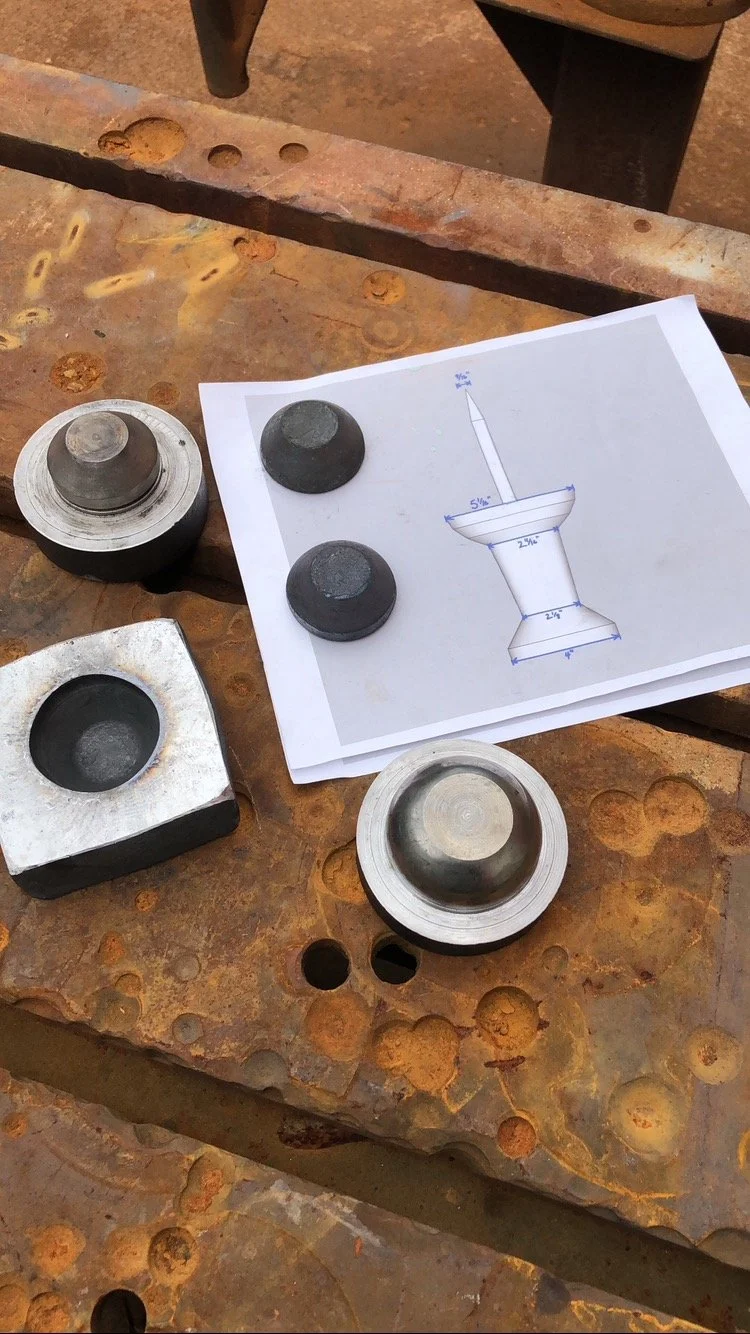
Whether Andy is guiding a team through a monumental gate or refining details in his own studio, his approach remains the same: start with the drawing, understand the material, and think several steps ahead. It’s a mindset rooted in process, collaboration, and craft, and one that continues to shape the work happening every day at Robert Thomas Iron Design.
Image by Gordon Keiter
Robert Thomas Iron Design — Forging meaning into metal.